21 June, 2026 | 4:58 PM


Chabahar port dilemma Navigating geopolitical turbulence
19-01-2026 12:00:00 AM
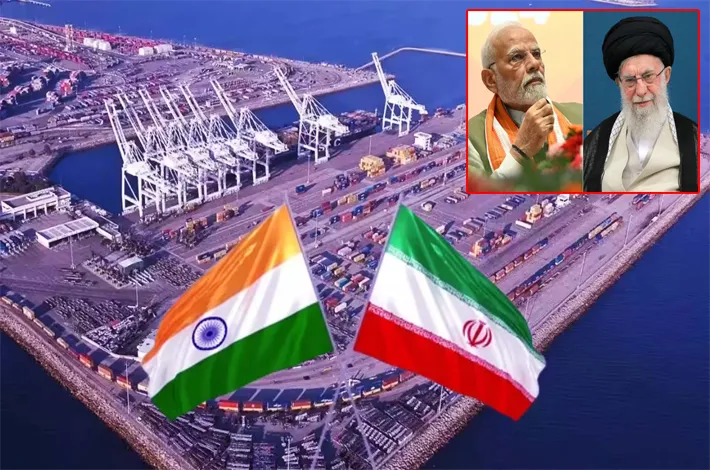
Located on Iran's southeastern coast, Chabahar port serves as a crucial gateway for India, providing a direct trade route to Afghanistan and Central Asia while circumventing Pakistan. The port's development traces back to initial discussions in 2003, gaining momentum with a 10-year contract signed in 2016 for India to develop and operate a section of it. Over the years, India has poured significant investments into the project, including a $120 million commitment under a long-term deal inked in May 2024. This has facilitated the shipment of essential goods like wheat to Afghanistan and enhanced regional trade connectivity.
However, US sanctions on Iran have persistently cast a shadow over the initiative. In October 2025, the US granted India a six-month waiver, allowing operations to continue until April 2026. Recent statements from India's foreign ministry spokesperson, Randhir Jaiswal, emphasized ongoing dialogues with the US to extend this arrangement, firmly denying any intentions to withdraw. This development comes amid heightened geopolitical tensions, including US President Donald Trump's aggressive stance toward Iran, which has included threats of military action and broader international manoeuvres.
A former ambassador underscored the port's vital importance to India's national interests. She highlighted the substantial investments made and expressed optimism about negotiating an extension, drawing parallels to past waivers secured for critical assets like the S-400 missile system during the Biden administration. She described Trump as a "whimsical but transactional" leader, suggesting India could offer incentives—perhaps strategic concessions or deals—to sway him. She noted recent de-escalations in Iran, such as the suspension of a planned execution and a dip in protests, which might create a window for diplomacy. However, she cautioned that without an extension, India would have no choice but to pull out, adhering strictly to US sanctions to avoid violations.
A retired Major General offered a more tempered view, acknowledging Chabahar's utility in bypassing Pakistan and accessing Central Asian markets but downplaying it as a "vital interest." He pointed out alternative routes exist and revealed that India had already transferred the remaining $120 million to Iran, instructing them to complete the work independently—a move he interpreted as a de facto step back. He attributed the current impasse to Trump's unpredictable actions, which have surprised not just India but the global community, including Americans. He urged a focus on broader stability in the region, predicting turbulence in 2026 but expressing confidence in India's ability to navigate it without over-relying on Chabahar.
As per him, the real concern lies in preventing any escalation that disrupts energy flows from the Middle East, which could severely impact India. A political commentator described Chabahar as relevant but not core to India's interests. He emphasized the broader impact on the International North-South Transport Corridor (INSTC), which relies on Iranian ports for direct access to Russia and beyond. Peer critiqued the geopolitical landscape, noting how allies like Qatar, Turkey, and Saudi Arabia have rebuffed US requests to use their soil for actions against Iran. He argued that Iran's Islamic doctrine could nullify peacetime agreements during conflicts, rendering Chabahar unreliable in military scenarios.
A senior economist countered with a strong emphasis on Chabahar's economic and connectivity value, tying it to the India-Middle East-Europe Economic Corridor (IMEC) and the bypassing of Pakistani ports like Gwadar. He lamented the potential loss of taxpayer-funded investments, rejecting the notion that returns justify abandonment. However, he expressed deep pessimism about consistency under Trump's administration. He criticized the flip-flopping policies— from troop buildups to sudden retreats—and predicted no resolution until Trump's term ends in 2028.
He argued that global diplomacy thrives on predictability, which is absent here, and stressed that India's neutral relations with Iran should not be sacrificed to appease US preferences. He warned against repeated pleas to Trump, advocating for a firmer stance amid growing frustration in Indian corridors of power. Chabahar represents not just an infrastructure project but a microcosm of broader geopolitical shifts, where US-Iran tensions intersect with India's ambitions for regional connectivity. With the waiver's fate hanging in the balance, India's foreign policy faces a test of balancing strategic autonomy against alliance pressures, underscoring the fluid nature of international relations in an era of rapid change.