11 October, 2026 | 4:48 PM


China–EU EV import dispute heads toward resolution
13-01-2026 12:00:00 AM
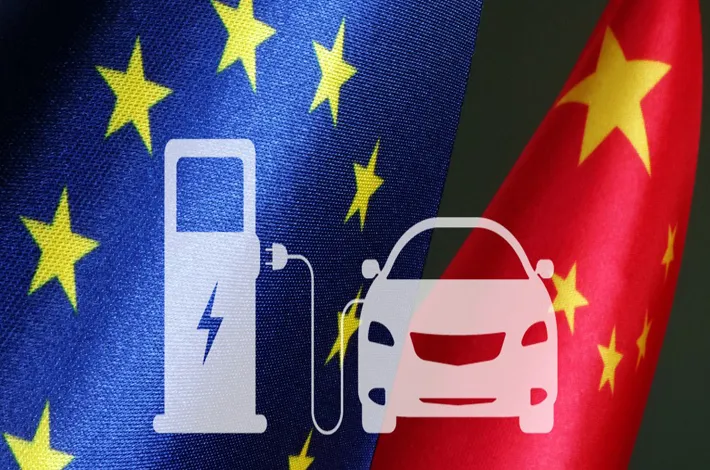
China and the European Union on Monday agreed on initial steps to resolve their long-running dispute over the bloc’s imports of Chinese-made electric vehicles, signalling a possible easing of trade tensions in the fast-growing clean mobility sector.
China’s Commerce Ministry said the EU would issue guidelines on minimum pricing for Chinese auto exporters. While the statement did not explicitly confirm whether the agreement would lead to the removal of tariffs of up to 35.3 per cent imposed by the EU in 2024, Beijing described the move as positive for bilateral economic relations and the global trading system.
“This is conducive not only to ensuring the healthy development of China-EU economic and trade relations, but also to safeguarding the rules-based international trade order,” the ministry said.
The European Union, in its statement, said it had released a guidance document detailing how electric vehicle manufacturers can submit price offers, including minimum import prices and technical requirements. It noted that wide variations among vehicle models required differentiated pricing to neutralise what it termed the injurious effects of subsidisation.
The European Commission said it would evaluate each proposal objectively and fairly, following non-discrimination principles and World Trade Organisation rules. Officials stressed that the process would apply equally to all exporters.
The dispute stems from the rapid expansion of Chinese EV makers into overseas markets, which has raised concerns among European and US automakers. The EU imposed tariffs after concluding that Chinese manufacturers benefited from extensive state subsidies, allowing them to sell vehicles at prices that undercut local brands. The United States took a tougher stance in 2024 by imposing a 100 per cent tariff, effectively shutting out Chinese EV imports.
Imports of battery-powered cars into Europe surged from USD 1.6 billion in 2020 to USD 11.5 billion in 2023, with a large share coming from Western automakers such as Tesla and BMW that manufacture vehicles in China.
Despite higher tariffs, Chinese brands have continued expanding in Europe. China-made cars accounted for 6 per cent of EU sales in the first half of 2025, up from 5 per cent a year earlier. Analysts expect Chinese automakers to double their European market share to around 10 per cent by 2030, even as the EU seeks affordable electric vehicles to meet its climate targets.