1 October, 2026 | 11:56 PM


Eastern Ghats conservation in focus at CCMB Symposium
04-03-2026 12:00:00 AM
■ Scientists used environmental DNA (eDNA) to reveal rich and previously undocumented biodiversity in the region.
■ Experts called for linking genomic research with landscape data to design climate-resilient conservation strategies.
■ A hands-on genomics workshop trained young researchers to support long-term conservation of the Eastern Ghats
Metro India News | Hyderabad
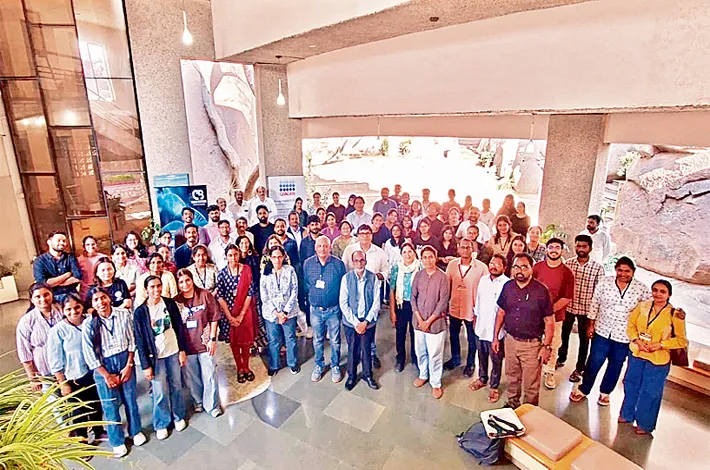
The CSIR-Centre for Cellular and Molecular Biology (CCMB), through its Laboratory for the Conservation of Endangered Species (LaCONES), hosted a four-day workshop and symposium titled “Discerning the Eastern Ghats: From Genes to Landscapes” from 18–21 February 2026 at its LaCONES campus in Hyderabad. The event brought together researchers, students, conservationists, NGOs, and forest department officials from across India to strengthen scientific understanding and conservation planning for the Eastern Ghats.
The Eastern Ghats are one of India’s oldest and most complex mountain systems. Spread across fragmented hill ranges in eastern India, they connect gradually with both the Western Ghats and the forests of eastern India. Despite their ecological importance, much of their biodiversity remains poorly documented and is increasingly threatened by habitat loss, fragmentation, and climate change. The symposium provided an important platform to discuss their ecological history, species diversity, and conservation priorities.
A key focus of the meeting was linking studies from genes to entire landscapes. Scientists at LaCONES-CCMB have been using environmental DNA (eDNA) methods to estimate biodiversity in the Eastern Ghats. Unlike traditional DNA sampling, eDNA detects genetic material that organisms leave behind in soil or water. Using this method, researchers have identified a wide range of life forms in the region, including insects, fish, reptiles, birds, mammals, plants, and even microorganisms—some of which were previously undocumented.
Speakers stressed that conservation must combine genetic studies with landscape-level information such as land use, habitat connectivity, and satellite imagery. This integrated approach can help identify vulnerable populations, detect hidden diversity, and plan climate-resilient conservation strategies. Dr. Umapathy, Chief Scientist at LaCONES-CCMB and convener of the meeting, said that combining genomic tools with ecological studies will help identify areas that need urgent protection.
Experts from leading institutions such as IIHS Bengaluru, IISER Tirupati, NCBS Bengaluru, NRSC Hyderabad, and ZSI Hyderabad shared research on ecology, genomics, animal behaviour, and remote sensing. Around 70 participants, including students and forest officials, attended the symposium.
An intensive hands-on genomics workshop was also conducted to train young researchers in bioinformatics and genome analysis. Organizers emphasized the need to build a strong scientific community to conserve the rich but underexplored biodiversity of the Eastern Ghats.