25 September, 2026 | 12:41 AM


Fearless women
25-09-2026 12:00:00 AM
Reporting against all odds
Their collective body of work underscores the essential role of independent inquiry in holding institutions accountable. In a democracy, such fearless scrutiny—conducted after morning tea or through long nights of reporting—remains a vital check on power.
metro india news I hyderabad
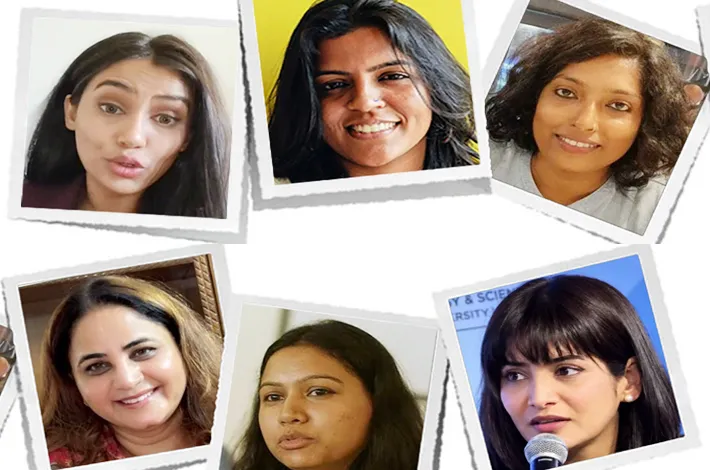
One can call them the fearless few or women who persist and report against all odds. In a media landscape often constrained by pressure, legal threats, and institutional pushback, a group of Indian women investigative journalists has repeatedly demonstrated remarkable resolve.
From caste atrocities and conflict zones to electoral integrity, prison systems, child trafficking, military accountability, and the inner workings of the Election Commission, these reporters have pursued difficult stories with rigorous documentation and on-the-ground reporting. Their work has frequently forced public reckoning and institutional responses.
Tanushree Pandey’s coverage of the 2020 Hathras case stands out as a defining example of ground reporting under extreme conditions. When a 19-year-old Dalit woman died after an alleged gang rape and assault in Uttar Pradesh, police cremated her body in the middle of the night against her family’s wishes. Pandey, then with India Today, was among the journalists present.
Her videos and reports captured the family’s anguish, the police actions, and the denial of a last look at the victim by her mother. The reporting helped prevent the incident from being quietly buried and drew national attention to questions of caste, police procedure, and administrative accountability. Pandey later faced intense scrutiny, including the leaking of a phone conversation with the victim’s family, which raised concerns about surveillance. Years later, her involvement in the documentary series Hathras 16 Days revisited the events and the lingering trauma for the family.
Greeshma Kuthar has brought sustained attention to the ethnic violence and institutional failures in Manipur. An independent journalist and lawyer, her deeply reported work for outlets including The Caravan and Frontline examined the role of groups such as Arambai Tenggol, the humanitarian crisis, displacement, and the experiences of communities caught in the conflict.
Her reporting, which combined lived experiences with political analysis, earned recognition including the Chameli Devi Jain Award and contributed to a podcast series that won a WAN-IFRA award. In a region where national media coverage has often been limited or delayed, Kuthar’s persistence helped keep the human cost visible.
Poonam Agarwal’s investigations into electoral processes have focused on transparency and potential vulnerabilities. While at The Quint, she revealed that electoral bonds carried hidden alphanumeric codes visible under ultraviolet light, contradicting claims of complete anonymity in political funding. She has also reported discrepancies between votes polled on Electronic Voting Machines (EVMs) and those counted in multiple elections, raising questions that reached the Supreme Court. Her work on these technical and procedural issues has contributed to ongoing debates about the integrity of India’s electoral system.
Sukanya Shantha’s reporting on Indian prisons exposed entrenched caste-based discrimination. Through visits to prisons across multiple states and examination of prison manuals, she documented how inmates from certain castes were routinely assigned menial and degrading labour, including cleaning tasks rooted in traditional hierarchies. Her series for The Wire, supported by the Pulitzer Center, led her to file a public interest litigation. In 2024, the Supreme Court ruled caste-based discrimination in prisons unconstitutional and directed states to overhaul their manuals. The judgment marked a significant legal outcome stemming directly from journalistic investigation.
Neha Dixit’s 2016 investigation for Outlook, titled “Operation Baby Lift,” detailed the movement of 31 tribal girls from Assam by affiliates of a Hindu nationalist organisation, framing it as trafficking aimed at ideological indoctrination. The report prompted criticism and a criminal complaint against her and the magazine for allegedly promoting enmity, rather than an immediate probe into the allegations themselves. The episode highlighted the risks investigative reporters face when challenging powerful groups. Dixit has continued to report on human rights issues, including extrajudicial killings and other forms of exploitation.
Jatinder Kaur Tur has focused on accountability within security forces. Her reporting for The Caravan examined allegations of torture and deaths of civilians, including Gujjar men, by the Army in Jammu and Kashmir’s Poonch and Rajouri districts. Follow-up work presented documentary evidence and testimonies. The stories drew official pushback, including a government directive to take down content, which the publication challenged. Tur’s body of work, spanning human rights abuses, corruption, and violence, earned her the Chameli Devi Jain Award as the first woman journalist from Punjab to receive it.
Most recently, Ritika Chopra of The Indian Express has scrutinised the Election Commission of India. Her investigations revealed internal disagreements, with two Election Commissioners formally objecting multiple times to decisions on electoral rolls, voter registration, and related processes taken without full knowledge or consensus. The reporting, based on internal records, placed the Commission under intense public examination at a time of significant changes to voter lists.
These journalists operate in an environment where critical reporting can invite trolling, legal cases, professional repercussions, or worse. Yet they continue, often relying on meticulous documentation, source protection, and persistence. Their collective body of work underscores the essential role of independent inquiry in holding institutions accountable. In a democracy, such fearless scrutiny—conducted after morning tea or through long nights of reporting—remains a vital check on power.