23 October, 2026 | 4:26 PM


Gig workers seek security?
16-08-2026 12:00:00 AM
- Unstable lives behind the apps
- About 4.5 lakh in TG
- Average monthly income only Rs 20,000
- Extra burden of commissions
- Must work 10 hours a day, seven days a week
- Income hit by unfair charges
- 91% are men
- Demand for welfare board
metro india news I hyderabad
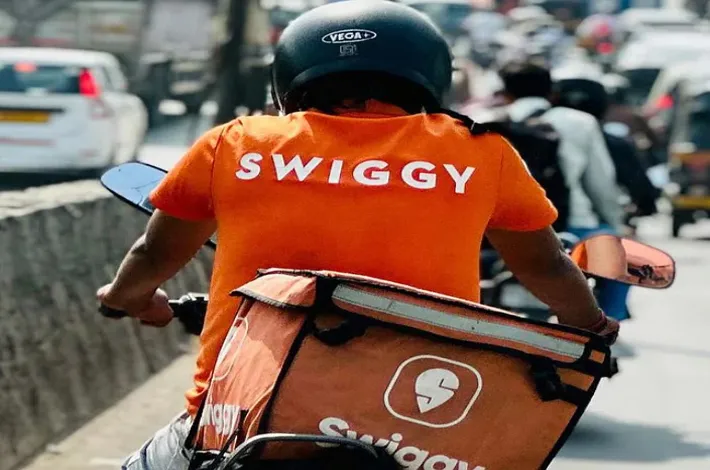
Smartphones in hand and apps dictating their schedules, gig workers keep Telangana’s cities moving. But behind food deliveries, cab rides, logistics and home services lies growing insecurity. Telangana has about 4.5 lakh gig workers, according to government estimates, but income instability, rising fuel and vehicle costs, platform commissions, ratings and lack of social security remain major concerns.
Workers put in up to 10 hours a day, yet average monthly earnings are around Rs 20,000 before expenses. After fuel, maintenance, insurance, data and platform charges, take-home income falls sharply. E-commerce delivery workers average Rs 13,753, two-wheeler riders Rs 16,138, while food delivery workers and four-wheeler drivers earn around Rs 24,000. Carpenters and electricians earn about Rs 27,000.
Long hours and pressure to meet targets increase fatigue and accident risks. Workers bear medical expenses, vehicle repairs and lost wages when accidents or illness keep them off the road. They seek mandatory accident and health insurance, disability compensation and income support during emergencies.
Workers also complain that opaque commissions, changing incentives, ratings and algorithms make earnings unpredictable. They demand transparency in fares and commissions, advance information on earnings and protection against unfair account deactivation.
About 91% of Telangana’s gig workers are men, with women facing additional concerns over safety, night work, sanitation and harassment. Most workers are young, attracted by immediate income but lacking pensions, healthcare and long-term security.
Workers’ unions are seeking a dedicated welfare board, government-run app and welfare fund financed by the government and platforms. They say a government app could connect customers directly with workers, reducing intermediary charges.
With India’s gig workforce projected by NITI Aayog to rise from 77 lakh in 2020 to 2.35 crore by 2029, unions argue that job creation must be matched by social security and income protection.