24 October, 2026 | 3:24 PM


Indian firms hit by West Asia disruptions, says CII
23-03-2026 12:00:00 AM
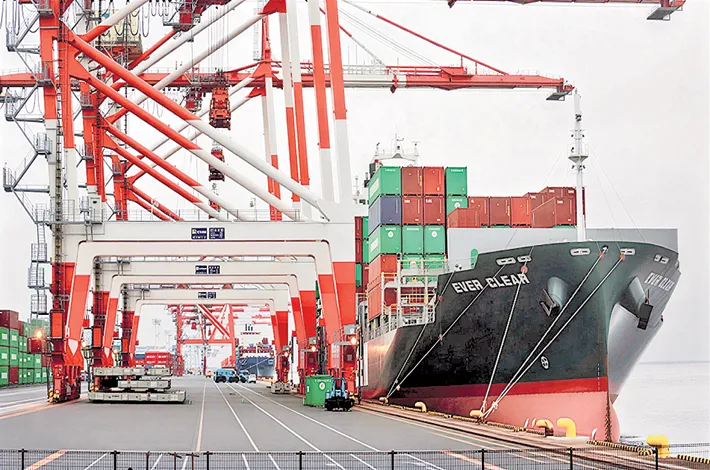
Indian companies are grappling with shipment delays and shortages of critical raw materials due to the ongoing conflict in West Asia, industry body Confederation of Indian Industry (CII) said on Sunday, flagging rising stress across sectors dependent on global trade flows.
CII Director General Chandrajit Banerjee said companies are already witnessing significant downstream effects as disruptions to key maritime routes slow cargo movement and tighten global supply chains. He noted that delays in shipments, constraints in energy inputs, and emerging shortages of essential raw materials and intermediates are impacting multiple sectors reliant on seamless cross-border logistics.
According to CII, the conflict has disrupted crucial shipping lanes, creating bottlenecks that are affecting both imports and exports. These challenges are being felt widely across manufacturing and allied industries, raising concerns over production timelines, rising costs, and supply uncertainty. The pressure on global energy markets has further compounded the situation, with volatility in fuel supplies adding to operational challenges for businesses.
Despite these headwinds, CII maintained that India is better positioned than in the past to absorb such external shocks. Banerjee said the country has entered this phase from a position of strength, supported by structural economic reforms and the government’s push for self-reliance under the Atmanirbhar Bharat initiative. These efforts, he said, have helped enhance domestic resilience and reduce dependence on external supply chains.
The industry body also highlighted the government’s “quick, calibrated and continuous” response to the evolving situation. Measures such as diversification of crude oil import sources, maximisation of domestic LPG production, export facilitation, and efforts to stabilise the currency have helped cushion the immediate impact of global disruptions.
CII noted that Indian firms are actively adapting to the changing environment by accelerating energy diversification strategies, optimising supply chains, and taking steps to safeguard employment. Companies are also exploring alternative sourcing options and improving logistics planning to mitigate risks arising from geopolitical uncertainties.
At the same time, the industry lobby underscored the importance of sustained investments in renewable energy, green hydrogen, biofuels, and energy efficiency. These, it said, are critical long-term strategies to reduce vulnerability to global energy shocks and ensure stability in times of geopolitical turmoil.
While acknowledging that the challenges remain significant, CII expressed confidence that India’s proactive policy approach and strong coordination between the government and industry will help the country navigate the disruptions and maintain its growth momentum.