21 September, 2026 | 12:07 PM


India’s exports to US rebound in November despite 50% tariffs
22-12-2025 12:26:06 AM
GTRI said the November recovery was driven largely by short-term adjustments rather than any easing of trade restrictions. In sectors such as electronics and machinery, exporters benefited from supply-chain shifts as global buyers diversified sourcing away from other markets
India’s merchandise exports to the United States staged a strong rebound in November after contracting for two consecutive months, supported by supply-chain realignments and inventory restocking by American buyers ahead of the holiday season, according to the Global Trade Research Initiative (GTRI).
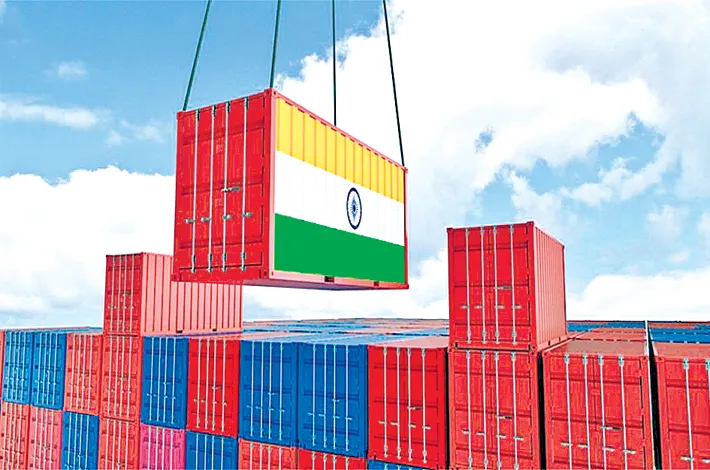
Official commerce ministry data showed that exports to the US jumped 22.61 per cent year-on-year to USD 6.98 billion in November, even as Indian goods continue to face steep 50 per cent tariffs imposed by Washington from August 27. Imports from the US also expanded sharply during the month, rising 38.29 per cent to USD 5.25 billion, reflecting resilient bilateral trade flows despite policy headwinds.
During the April–November period of the current financial year, India’s exports to the US grew 11.38 per cent to USD 59.04 billion, while imports increased 13.49 per cent to USD 35.4 billion, underlining the depth of trade engagement between the two economies.
GTRI said the November recovery was driven largely by short-term adjustments rather than any easing of trade restrictions. In sectors such as electronics and machinery, exporters benefited from supply-chain shifts as global buyers diversified sourcing away from other markets, while US firms also restocked inventories ahead of peak seasonal demand.
However, the think tank cautioned that the rebound remains fragile. “The recovery after September reflects adaptation to a tougher tariff regime, not relief,” GTRI said, adding that exporters and buyers are still operating under significant cost pressures.
GTRI Founder Ajay Srivastava explained that the fall in exports between May and September was largely due to uncertainty surrounding the impending tariff hikes. During that period, US buyers delayed fresh orders and relied on existing inventories, leading to a sharp dip in shipments from India. Once the tariffs became certain, both sides began adjusting by renegotiating prices, absorbing part of the additional cost, and shifting demand toward products that were either less affected by tariffs or difficult to substitute.
According to a GTRI report, nearly 85 per cent of India’s exports to the US in November showed a clear fall-and-recovery pattern across product categories. These included electronics such as smartphones, gems and jewellery, machinery and mechanical appliances, vehicles and auto components, pharmaceuticals, textiles and garments, carpets, mineral fuels, organic chemicals, plastics and rubber products, as well as fish, dairy items, and edible fruits and nuts.
Smartphones, India’s single largest export item, fell sharply from USD 2.29 billion in May to USD 884.6 million in September, before recovering to USD 1.8 billion in November. Exports of gems and jewellery, which are highly sensitive to demand and pricing, plunged from USD 500.2 million in May to USD 202.8 million in September, and then rebounded to USD 406.2 million last month.
A similar trend was observed in machinery exports, which declined to USD 516.8 million in September before improving to USD 614.6 million in November. Pharmaceutical exports remained resilient, reaching USD 669.2 million during the month. Even mineral fuels and oils, which are exempt from tariffs, saw moderate fluctuations before rising again in November.
Despite the recovery, GTRI warned that India’s export momentum to the US could remain vulnerable unless longer-term solutions are found to address tariff-related challenges.