26 July, 2026 | 11:17 AM


Iran deal awaits Mojtaba approval
25-05-2026 12:00:00 AM
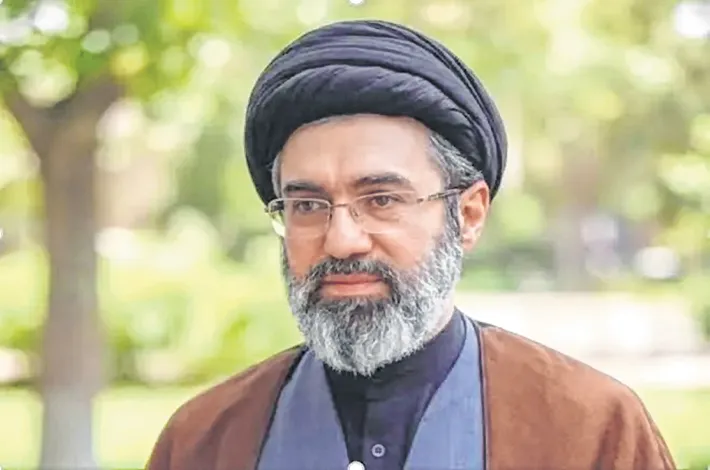
WAR EXIT | Tehran seeks clarity on clauses before Supreme Leader ratifies peace framework proposed by Washington
Tehran: Iran’s Supreme Leader and Supreme National Security Council still need to approve the proposed peace deal with the US, Iranian officials said on Sunday. Officials said one or two clauses in the proposed agreement must be clarified before the MoU can be sent to Supreme Leader Motjaba Khamenei and the security council for ratification. They added that the concerns had been conveyed to Pakistani mediators, The Guardian reported.
The agreement reportedly offers Iran sanctions relief and access to up to $20 billion in frozen assets, including at least $12 billion held in Qatar, in exchange for reopening the Strait of Hormuz and entering 60 days of talks on its nuclear programme beginning June 5 in Pakistan.
The deal also requires Iran, the US and their allies to cease hostilities, while Israel would end its offensive in Lebanon. On Saturday, US President Donald Trump spoke to Israeli PM Benjamin Netanyahu to reassure him over the ceasefire terms. Netanyahu is reportedly concerned about postponing the nuclear issue but is under pressure to accept an end to a war blamed for fuelling inflation and supply shortages globally.
Iranian President Masoud Pezeshkian said national unity had ensured the country’s stability.
Gulf states, Turkish President Recep Tayyip Erdoğan and Egyptian President Abdel Fattah el-Sisi also urged Trump not to resume military action against Iran, warning it would trigger reprisals without toppling the regime.
Iran and Western countries remain divided over control of the strait. Iran’s Fars news agency, which is close to the IRGC, said Tehran would retain full authority over managing passage through the strait. Iran’s Foreign Ministry spokesperson said governance of the waterway was a matter for Iran and Oman, not the US.
Tehran said the preliminary agreement only commits both sides to negotiations on nuclear issues over 30 days, with an optional 30-day extension, and does not predetermine the outcome. Iran would also be allowed to resume oil and petrochemical exports during the talks without the threat of sanctions, while the US would lift restrictions on Iranian ports.
Meanwhile, a senior Iranian source told Reuters that Tehran had not agreed to surrender its stockpile of highly enriched uranium. The source said the nuclear issue was not part of the preliminary agreement and would instead be discussed during negotiations on a final deal.
The comments followed reports in NYT and Axios that the draft agreement includes commitments from Iran to never pursue nuclear weapons and to negotiate limits on uranium enrichment and the removal of enriched uranium stockpiles. —Agencies