13 October, 2026 | 2:14 AM


Kerala Govt’s U-Turn on Sabarimalai entry
16-03-2026 12:00:00 AM
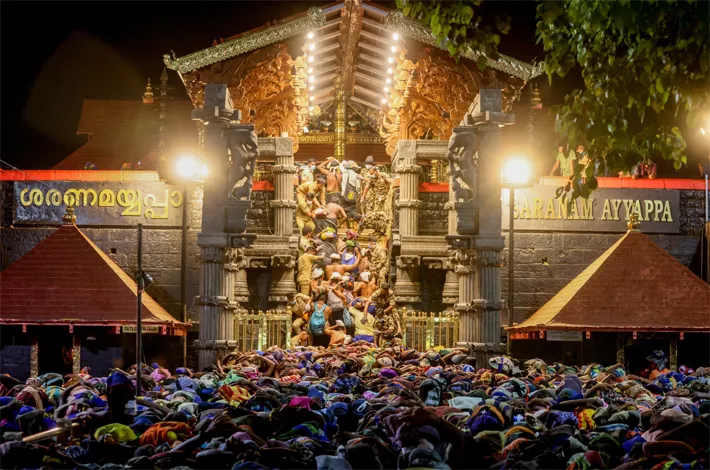
In a significant reversal that has reignited one of Kerala’s most contentious religious and constitutional debates, the Left Democratic Front (LDF) government led by Chief Minister Pinarayi Vijayan has decided to abandon its earlier support for the 2018 Supreme Court verdict on the Sabarimala Ayyappa temple. The state will now inform the apex court that it backs traditional customs and longstanding religious practices at the hill shrine, arguing that the government should not interfere in matters of faith.
Officials say the forthcoming affidavit—likely to be filed through the Devaswom Department—will reflect the sentiments of the devotees and the position of the Travancore Devaswom Board, which manages the temple. The new stand seeks to continue the age-old restriction barring women aged 10 to 50 from entering the sanctum.
The move marks a complete departure from the LDF’s previous position. In 2018, the same government had filed an affidavit in the Supreme Court endorsing the verdict that allowed women of all ages to enter Sabarimala, a decision that triggered massive protests across Kerala and deepened political fault lines. The Congress party has been quick to criticise the flip-flop. Senior Congress leader and MP K. Surendran slammed the U-turn, alleging it is nothing but electoral appeasement ahead of the upcoming assembly elections.
The controversy has returned to national focus as the Supreme Court prepares to hear a review petition against the 2018 judgment next month. For many, the Sabarimala issue transcends a single temple; it touches upon core questions of constitutional equality, the right to worship, and the delicate balance between the state and religious faith. What makes the LDF’s shift particularly striking is its timing—just months before state polls—and the irony that the same left-led government which once championed the court verdict is now championing the very traditions it had earlier challenged.
A women’s rights activist, minced no words in calling the government’s decision “political convenience” driven by electoral calculations. “A state government that once upheld the Supreme Court order is now diluting constitutional morality simply because some groups disagree,” she argued. “Traditions cannot override women’s dignity and their constitutional right to access public places of worship. How can custom be placed above equality and the right to pray?”
A spokesperson of BJP Kerala countered that the real voice being heard is that of the devotees themselves. He claimed a “thumping majority” of women in Kerala, particularly Sabarimala devotees, do not wish to enter the temple and had protested vigorously in 2018. He reminded the panel that no Supreme Court order had forced women to enter; the government had actively pushed the issue. He clarified that he was not talking about women’s rights here—but about the hurt caused to lakhs of devotees, adding that the constitution must respect the faith of the people rather than stand in isolation.
A senior journalist took a broader view, urging all sides to revisit the Constituent Assembly debates on tradition, culture, and custom. “The Constitution was not framed on a whim; there were deep discussions. People are capable of critical thinking. Let them decide what respects their faith,” he said. He cautioned against politicising the issue further and questioned whether activists or parties should impose their interpretation of devotion on the faithful.
A Congress spokesperson demanded an apology from the LDF government. He recalled that the previous UDF regime under Oommen Chandy had filed an affidavit respecting Sabarimala customs, only for the LDF to reverse it upon coming to power. “It was this government that changed the stand, leading to activists entering the shrine with police protection and hurting the sentiments of true devotees,” he said, making it clear that the Congress has always defended religious customs and denominations.
BJP cited examples such as the Attukal Pongala festival, open only to women, asking whether men could demand entry on grounds of equality. The party leaders reminded that matters of faith and traditions should be left to the devotees. Left oriented women’s activists responded that the Supreme Court is not forcing anyone—it is merely removing barriers for those who wish to exercise their right.
The Sabarimala row is far from over. With the Supreme Court set to revisit its 2018 verdict and Kerala heading into elections, the LDF’s U-turn has ensured the temple, the Constitution, and the politics of faith will remain at the centre of public discourse for months to come. Whether the shift represents genuine respect for devotees or calculated electoral strategy is a question the people of Kerala will soon answer at the ballot box.