15 October, 2026 | 7:16 AM


Loneliness: Emotion or Survival Signal?
25-02-2026 12:00:00 AM
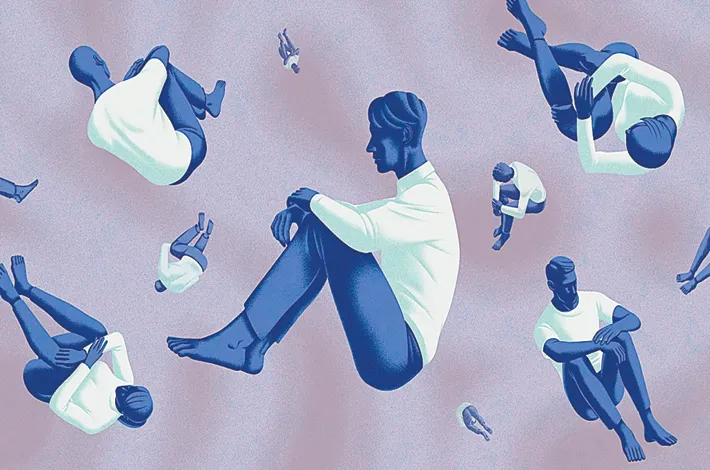
Loneliness is often dismissed as a simple emotional state, but recent neuroscience suggests it is a complex signal from the brain, indicating disruptions in social connections. When people face exclusion or feel disconnected, their brains activate stress and threat responses, frequently below conscious awareness. Studies show that social rejection stimulates brain regions associated with distress, amplifying loneliness even when physical isolation is absent. The brain, constantly predicting social outcomes, heightens emotional discomfort when expectations are unmet, leading to rumination and intense self-evaluation. This inward focus worsens in highly visible environments like social media, where idealized portrayals of others’ lives intensify feelings of inadequacy.
A neuroscientist and founder of a hospital emphasized that loneliness manifests as a visible brain state. He explained that it triggers threat networks similar to those activated by physical danger, prompting the brain to perceive isolation as a survival risk. Hyper-alertness in areas such as the amygdala elevates cortisol levels, affecting sleep, mood, immunity, and metabolism. Over time, this can lead to depression or metabolic disorders. Highlighting its epidemic proportions, he underlined the widespread neurological toll of loneliness on society.
A consulting psychiatrist expanded on this, linking emotional and physical pain. He pointed out that the brain processes both in similar ways, and for inherently social humans, loneliness is interpreted as a survival threat. This activates a stress response: elevated heart rate, blood pressure, and blood sugar, alongside tendencies to overeat or store calories. While temporary stress aids survival, chronic exposure weakens bodily defences, increasing risks of infections and heart conditions. More concerning, it triggers a cycle of paranoia—interpreting neutral events as threats, such as assuming others are gossiping or ignoring messages—mirroring patterns in depression. This cycle isolates individuals further, making loneliness a serious mental health challenge requiring intervention.
Experts debated the role of social media and commercialized romance in amplifying loneliness. A neurosurgeon critiqued market-driven rituals like exaggerated Valentine’s Day celebrations, which compel comparisons via mobile access and strain brain networks including the insula, anterior cingulate cortex, and medial prefrontal cortex. Without genuine attachment, these rituals intensify feelings of exclusion, making internal isolation worse despite external company. He argued that commerce often hijacks romance, encouraging scripted gestures misaligned with personal realities, which can disrupt relationships.
A veteran psychology professor called social media a double-edged sword, offering constant connectivity while heightening loneliness. He distinguished loneliness from solitude, describing it as a mismatch between perceived social needs and reality, often exacerbated by curated posts showcasing couples or social events. These inflated expectations can trigger depression, especially during significant life milestones like weddings, pressuring individuals into hasty romantic decisions. Unrealistic social media benchmarks can distort perceptions of partner affection, further fueling loneliness.
The debate then turned to neuroplasticity and breaking cycles of isolation. Experts rejected the notion that brain development halts at 25, explaining that daily experiences form new synapses in both positive and negative directions. While excessive social media use can reinforce harmful coping strategies, it can also support meaningful connections through groups and communities. Expressing emotional needs—often a challenge—is essential for fostering authentic interactions.
For older adults struggling with emotional expression, prevention starts early. The psychiatrist emphasized childhood social skill development—managing disagreements and navigating group dynamics—as a buffer against later loneliness. Early warning signs include low motivation, biased threat interpretations, and withdrawal. To manage emotional distress, he recommended gradual exposure: being near groups without immediate interaction, challenging pessimistic assumptions, and slowly engaging to generate positive feedback. This approach can rewire the brain, reducing feelings of isolation over time.
In conclusion, psychologists stressed that a busy social calendar does not prevent loneliness. Individuals may feel isolated even within marriages, partnerships, or tight-knit groups if desired connections—whether intimate, communal, or reflective—are absent. Loneliness is context-dependent, shaped by biology, culture, and individual differences across life stages. Experts agreed that distinguishing loneliness from mere aloneness is critical, encouraging proactive steps to counter its neurological impact and foster emotional safety.