15 October, 2026 | 4:18 AM


Lucknow parricide-Deep dive into exam pressure and mental health
26-02-2026 12:00:00 AM
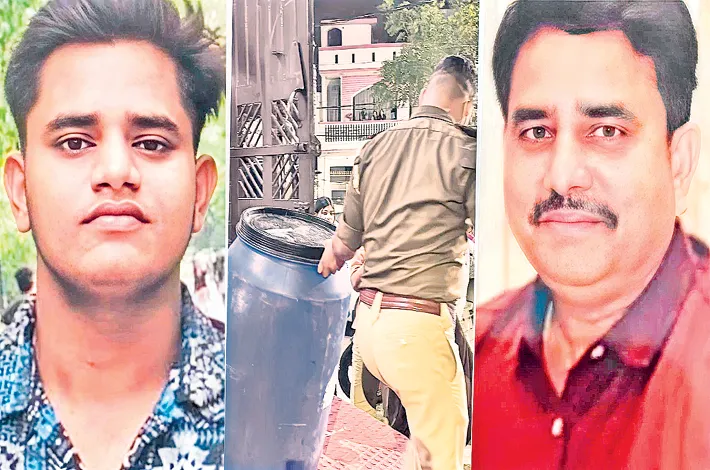
In a chilling incident that has shocked the nation, a 21-year-old man named Akshat Pratap Singh allegedly shot his father, 50-year-old Manvendra Pratap Singh, dead during a heated argument in their home in Lucknow. Manvendra, the owner of a Pathology lab, was found dismembered and hidden inside a drum at the residence. The tragedy unfolded on February 20th around 4:30 a.m., stemming from mounting tensions over NEET exam pressure and career expectations.
Akshat reportedly committed the act in front of his younger sister, then attempted to cover it up by filing a missing person report for his father later that afternoon. The police investigation revealed a premeditated crime. Akshat confessed during questioning on February 23rd and was arrested. This case echoes other disturbing incidents driven by academic stress, highlighting a growing concern in Indian households where high-stakes exams like NEET are tied to family honor, financial security, and social status.
A counselling psychologist, emphasized that such extreme violence rarely stems from a single argument or exam failure. She pointed to longstanding emotional conflicts, poor communication within families, and untreated mental health issues as key contributors. "No single exam or argument can lead to such extreme violence," she explained, adding that it was often a cumulative effect of a stressful home environment or dysfunctional emotional coping.She highlighted how India's cultural emphasis on exams creates intense pressure, leaving young people feeling inadequate if they fail to meet parental expectations. She also drew parallels to similar cases in the US and Europe, where children have killed parents, underscoring the universal need to detect early signs of aggression in youth.
A Psychiatrist delved into the mental health perspective, noting that while the act is criminal, underlying conditions like bipolar disorder or schizophrenia could play a role, though only thorough evaluations can confirm this. He stressed low frustration tolerance and poor emotional regulation as common triggers in such cases. "Patterns of behaviour, like hitting family members or shouting, often go unnoticed or are dismissed as phases that will pass," hr said. Referencing a recent video of a woman abusing her elderly mother, he clarified that aggression toward parents isn't always a standalone mental illness but can stem from personality traits developed in early adulthood. He added that the brain's prefrontal cortex, responsible for impulse control, matures into the mid-20s, making young adults particularly vulnerable to impulsive acts under stress.
From a legal standpoint, a former DGP described the incident as a clear-cut case of premeditated murder. He detailed how Akshat used his father's licensed rifle, dismembered the body, and tried to deflect suspicion with a false missing person report. "Heated arguments happen between fathers and sons, but this was planned," the retired cop asserted. He noted the family's dynamics: the mother's death nine years prior, the father's busy life running liquor shops and a pathology lab, and Akshat's monthly salary of 17,000 rupees from his father, which suggested underlying financial tensions and monitoring. Jen lamented the absence of maternal influence and called for evidence collection to file a chargesheet swiftly, emphasizing that such domestic violence under academic stress is becoming alarmingly common.
The discussion turned to the role of educational institutions and coaching centres in mitigating pressure. Founder of a NEET coaching centre agreed that children preparing for competitive exams should receive simultaneous emotional support. He highlighted peer pressure and unrealistic expectations, criticizing parents for pushing children beyond their potential. "If a child isn't academically inclined, adjust them in the family business instead of forcing exams like NEET," he advised. He also pointed to the lack of family counselling, noting the presence of a grandfather and siblings who could have intervened.
Psychologists and psychiatrists reinforced the importance of early intervention, especially in teenage years when personality traits form. They advocated for safe home environments, open communication, and school-based counsellors to provide outlets for venting emotions. "Reduced stigma around non-medical or engineering careers is crucial, as Indian parents are often obsessed with them," they said.
They linked aggression to antisocial personality traits and urging families to watch for signs like social withdrawal, disturbed sleep, appetite changes, or substance use. They also addressed India's mental health stigma, comparing it to treating a common cold. They also noted that affordable options like government schemes, tele-helplines such as Tele Manas, and online sessions to make care accessible despite costs.
The retired DGP observed that extreme domestic violence from academic stress was rarer in past generations but is rising due to intensified competition. This Lucknow case serves as a stark reminder of the deadly consequences when exam pressure meets unresolved emotional turmoil, urging society to prioritize psychological well-being alongside educational ambitions.