7 September, 2026 | 1:48 AM


Monsoon Health Watch
17-07-2026 12:00:00 AM
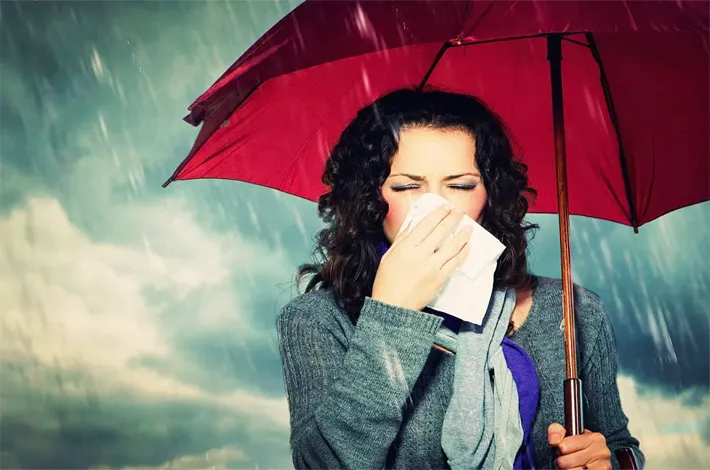
‘Protect children from seasonal infections’
As dark clouds bring relief from the summer heat, the monsoon season also brings a rise in health concerns, especially among children. Increased humidity, waterlogging and contamination of water sources create favourable conditions for bacteria, viruses and mosquitoes to spread, leaving young children more vulnerable due to their developing immune systems.
Pediatricians advise parents to remain cautious and adopt preventive measures to reduce the risk of common rainy-season illnesses.
One of the biggest concerns during the monsoon is waterborne infections. Contaminated drinking water and unsafe food can trigger illnesses such as diarrhoea, typhoid and cholera among children. Symptoms including loose motions, vomiting, stomach cramps and fever can quickly result in dehydration, particularly in younger children.
Mosquito-borne diseases also increase during this season as stagnant water provides ideal breeding conditions for mosquitoes. Dengue, malaria and chikungunya remain major concerns, with dengue being particularly serious in children. High fever, body pain, skin rashes and, in severe cases, bleeding symptoms require immediate medical attention.
Changing weather conditions and increased moisture levels also contribute to respiratory problems. Children may experience frequent colds, cough, sore throat and influenza-like illnesses. Those with asthma may notice worsening symptoms during periods of high humidity.
Skin-related problems are another common monsoon issue. Constant exposure to damp clothes and moisture can lead to fungal infections, rashes and scabies, especially in areas where skin folds trap moisture. Eye infections, including conjunctivitis or “monsoon eye flu”, can spread quickly among children in schools and playgroups.
Doctors also caution against exposure to floodwater and waterlogged areas, which can increase the risk of leptospirosis, a bacterial infection transmitted through water contaminated by animal urine.
Experts recommend several preventive steps for families. Parents should ensure children consume boiled or filtered water and avoid uncovered street food and cut fruits sold outdoors. Regular handwashing with soap before meals and after outdoor activities should become a routine habit.
To prevent mosquito-related illnesses, stagnant water in coolers, flowerpots and containers around homes should be removed regularly. Mosquito nets and child-safe repellents can provide additional protection.
Children should be kept away from flooded areas, changed immediately after getting wet and dressed in comfortable, full-sleeved clothing suitable for changing weather. Vaccinations such as typhoid, influenza and hepatitis A can provide added protection.
A balanced diet containing fruits, vegetables and nutritious home-cooked meals can support immunity. Parents should also monitor warning signs such as prolonged fever, persistent cough, diarrhoea or unusual tiredness.
Medical attention should be sought immediately if fever continues beyond two days, or if a child shows dehydration signs such as dry mouth, reduced urination, sunken eyes, breathing difficulty, persistent vomiting or fever with rash.
Doctors emphasis that awareness, hygiene and timely care can help families prevent most monsoon-related infections and ensure children remain healthy throughout the rainy season.

(Dr Janardhana Reddy V, Sr.Consultant Pediatrician & Intensivist Women and child-Medicover Hospital, Hitec City.)