7 September, 2026 | 1:34 AM


Revolutionising Blood Cancer Care
17-07-2026 12:00:00 AM
How Car T-cell therapy is transforming lives
Blood cancers are increasingly becoming a significant health concern in India, with doctors reporting a steady rise in cases of leukaemia, lymphoma and multiple myeloma. While breast, lung and oral cancers often receive greater public attention, specialists say blood cancers are affecting a growing number of patients across the country.
Improved diagnostic facilities, longer life expectancy and increased awareness have contributed to more cases being identified. However, doctors caution that many patients still approach hospitals at advanced stages because early symptoms are often overlooked.
Unlike solid tumours that may appear as visible lumps, blood cancers affect the blood, bone marrow and immune system, making early recognition more challenging. Persistent tiredness, repeated infections, unexplained fever, swollen lymph nodes, unusual bruising, prolonged bleeding and unexplained weight loss are warning signs that require medical evaluation if they continue.
A routine blood test followed by specialist assessment can play a crucial role in early detection and timely treatment.
This is where Hemato-Oncology, the specialised field focused on blood disorders and blood cancers, has transformed patient care. Combining advanced diagnostics with personalised therapies, modern Hemato-Oncology is helping patients achieve better outcomes while improving quality of life.
Treatment approaches have changed significantly over the years. Although chemotherapy remains an important part of blood cancer treatment, doctors now have a wider range of options, including targeted therapies, immunotherapy, stem cell transplantation and advanced cellular treatments.
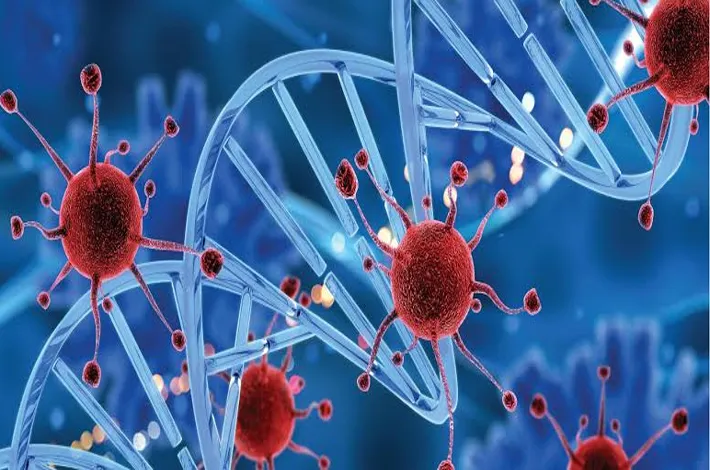
Among the most promising developments is CAR T-cell therapy, a breakthrough form of immunotherapy that uses the patient’s own immune system to fight cancer.
The therapy involves collecting T-cells, a type of white blood cell responsible for immune defence, from the patient’s blood. These cells are then genetically modified in a specialised laboratory to recognise and attack cancer cells more effectively. After preparation, the enhanced cells are infused back into the patient’s body, where they identify and destroy malignant cells.
Unlike conventional medicines that directly attack cancer, CAR T-cell therapy strengthens the body’s natural defence system.
The treatment is generally recommended for carefully selected patients with aggressive blood cancers that have returned after standard therapies or failed to respond adequately to chemotherapy and other treatments. For many patients with limited options, CAR T-cell therapy has created new possibilities for long-term disease control.
At CARE Hospitals, Banjara Hills, comprehensive Hemato-Oncology services are available through a multidisciplinary team of haemato-oncologists, medical oncologists, transplant specialists, intensivists, transfusion medicine experts and trained nursing professionals.
The centre provides advanced diagnostic services, chemotherapy, targeted treatments, immunotherapy, bone marrow transplantation and CAR T-cell therapy for eligible patients. Since CAR T-cell therapy requires detailed evaluation, specialised laboratory support and careful monitoring, treatment decisions are made by an experienced team after thorough assessment.
Doctors emphasise that every fever or episode of fatigue does not indicate blood cancer. However, persistent or recurring symptoms should not be ignored. Avoiding delays and seeking medical advice early can improve outcomes and expand treatment choices.
With advances in precision medicine, transplantation and cellular therapies, blood cancer treatment has entered a new era. For patients and families, innovations such as CAR T-cell therapy represent a powerful message of hope, where science continues to transform possibilities into outcomes.
(Dr.Saadvik Raghuram Y, Director – Medical Oncology &Hemato-Oncology, CARE Hospitals, Banjara Hills, Hyderabad)