18 September, 2026 | 12:27 AM


Movie spark controversy, blockbuster success raises accusations of “Islamophobia”
13-12-2025 12:00:00 AM
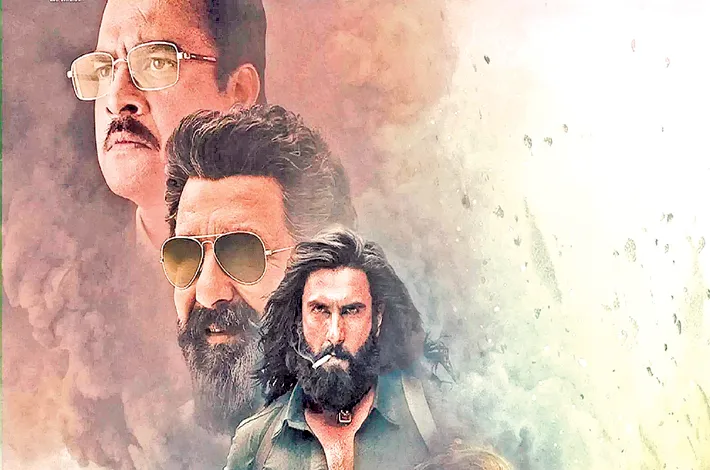
Released on December 5, 2025, the 3.5-hour film follows an Indian undercover agent infiltrating Karachi's criminal underworld to dismantle terror networks linked to Pakistan's deep state
Aditya Dhar's spy thriller Dhurandhar, starring Ranveer Singh, has stormed the Indian box office, crossing the Rs 200 crore mark in its first week and earning widespread praise for its high-octane action and performances. Released on December 5, 2025, the 3.5-hour film follows an Indian undercover agent infiltrating Karachi's criminal underworld to dismantle terror networks linked to Pakistan's deep state. Drawing loose inspiration from real events like Operation Lyari(Pakistan government crackdown against local gangs and other crime syndicates) and major terror attacks, the film's portrayal of Pakistani characters and Muslim symbols has sparked intense controversy, with critics labelling it anti-Muslim, misogynistic, and pro-government propaganda.
Critics decry "poisonous" portrayal
A Senior journalist described the film as a "dose of poison," arguing its intense violence and negative depiction of Muslim life—names, dress, treatment of women, and religious symbols—extends beyond Pakistan to vilify Muslims in general. She warned that ordinary viewers might conflate fictional Pakistani villains with Indian Muslims, exacerbating existing mistrust amid recent lynching and societal divisions. Another political activist echoed this, calling it "cultural conditioning" that casts minorities as perpetual suspects and mirrors ruling party rhetoric glorifying unilateral power while ridiculing dissent. She highlighted misogyny, noting women are portrayed as silent or meek in a male-dominated world.
On the other side, advocates, columnists and others defended Dhurandhar as targeting institutions—Pakistan's ISI and terror proxies—not religion. They pointed to real atrocities like the IC-814 hijacking, Peshawar school massacre and Mumbai 26/11 attacks, arguing the film holds the deep state accountable rather than promoting hate. Supporters dismissed outrage as hypocrisy, noting past films glamorizing Pakistani agents or vilifying Hindus faced less backlash. Author Magna Pant urged viewing it as a conversation starter, not a cultural war, emphasizing creative freedom.
She questioned why exposing Pakistan's alleged terror export is problematic while reducing nationalism to "Pakistan-hating" narrows India's rich civilization narrative. The debate frequently invoked double standards: films like PK mocking Hindu rituals or portraying certain communities negatively drew milder responses. However, one opinion which various sections commonly agreed upon—amplified on social media and TV—ironically boosts ticket sales, turning controversy into profit. Defenders, who also included writers and directors from the movie industru argued filmmakers have the same creative license as journalists, who position themselves as anti-establishment.
In heated television debates, panelists from Congress, Samajwadi Party, and leftist groups accused Bollywood of promoting polarization under the guise of entertainment. One leader remarked that films addressing social reforms were once the norm, but recent productions focus on communal issues to advance a specific political narrative. They pointed to past Bollywood classics that allegedly vilified Hindus or glorified gangsters with Muslim names as examples of unchecked bias in the opposite direction.
Supporters, on the other hand highlighted perceived hypocrisy: films whitewashing Pakistan as a land of poets and sufis, or portraying terrorists as victims of circumstances, would likely receive acclaim at festivals. In contrast, a movie showing Indian resolve against terrorism is vilified as "jingoism." They compared Dhurandhar to Hollywood films like Zero Dark Thirty, which dramatized the hunt for Osama bin Laden without facing similar backlash.
The controversy has reignited discussions on censorship and free expression in Indian cinema. While some demand submission to "approved" narratives, others see the backlash as an ecosystem meltdown from self-appointed guardians of tolerance who once championed diverse voices but now decry dissent. As Dhurandhar continues its strong box office run, with praise from celebrities like Anupam Kher for its "fearless" storytelling, the film has become a flashpoint in India's polarized cultural landscape. Whether it marks a shift toward more nationalist cinema or exposes fault lines in criticism remains to be seen, but it has undeniably captured the nation's attention.