26 September, 2026 | 10:04 AM


Musi Musings in Assembly
03-01-2026 12:00:00 AM
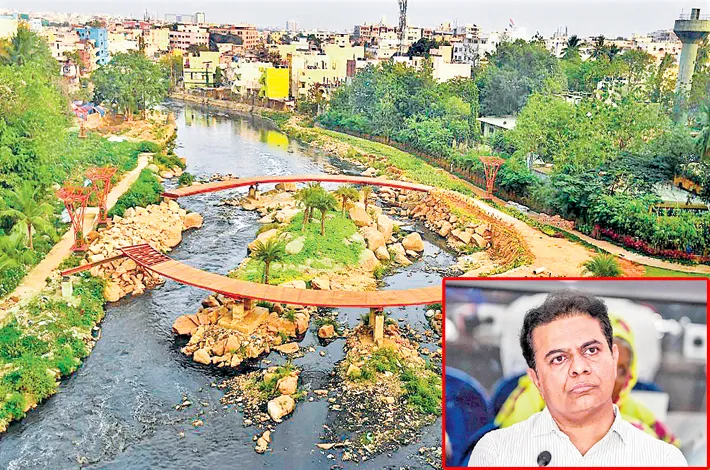
ADB extends Rs 4,000 crore loan, estimations by March 31
Chief Minister A Revanth Reddy on Friday informed the Telangana Assembly that estimations for the Musi Rejuvenation Project will be finalised by March 31, following which tenders will be invited and construction works will commence immediately. He said the Asian Development Bank (ADB) has agreed to extend a Rs 4,000 crore loan for the ambitious river rejuvenation initiative.
The Chief Minister stated that the Central Government has approved the Gandhi Sarovar Development Project as part of the Musi revitalisation plan. Once the Detailed Project Report (DPR) is completed, the government will make a PowerPoint presentation to all MLAs and seek their suggestions, ensuring transparency and wider participation.
Highlighting the historical and cultural importance of the Musi River, Revanth Reddy said Bapu Ghat, located at the confluence of the Musi and Eesa rivers, holds national significance as the place where Mahatma Gandhi’s ashes were immersed. He noted that civilizations historically developed along river basins and recalled how rulers from the Kakatiya era to the Nizam period constructed projects to meet irrigation, drinking water, and industrial requirements.
Referring to the devastating 1908 floods, the Chief Minister said the construction of Osman Sagar and Himayat Sagar by the Nizam government provided a permanent solution to flooding and continues to supply drinking water to Hyderabad. He added that strict action had been taken against pollution caused by influential farmhouses draining sewage into these reservoirs.
Revanth Reddy stressed that Musi pollution has emerged as a serious health concern, particularly for people living along the river and residents of Nalgonda district. Industrial effluents and animal waste, he said, have severely contaminated the river, with studies indicating rising health issues among women in Musi-adjacent settlements.
The government, he said, studied riverfront development models in London, New York, Japan, South Korea, Singapore, Gujarat, and Uttar Pradesh. Citing the relocation of nearly 60,000 families during the Sabarmati river rejuvenation, the Chief Minister said similar projects elsewhere were celebrated as development and questioned the opposition to the Musi project.
He outlined plans to divert Godavari waters, using 15 TMC for drinking purposes and 5 TMC to ensure continuous clean flow in the Musi. The project also includes a 55-km elevated corridor from Gandipet to Gourelli, development of Gandhi Sarovar near Bapu Ghat, religious structures to promote harmony, and comprehensive Old City development. Revanth Reddy appealed to Greater Hyderabad MLAs to support the initiative, assuring quality housing for the poor and a commitment to transforming Hyderabad into a world-class city.
Harish Rao seeks White Paper
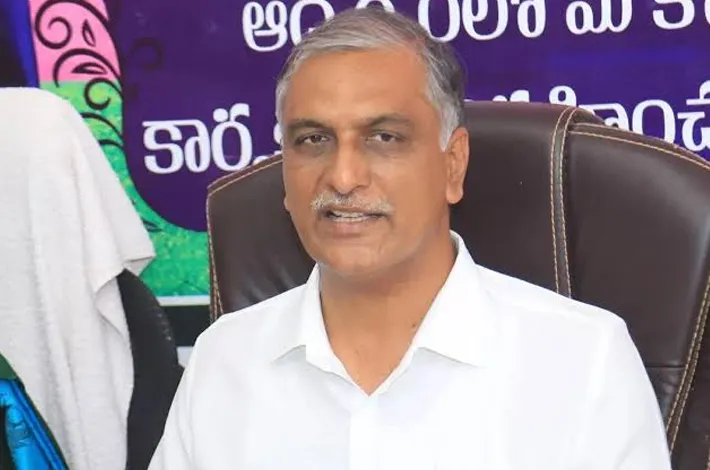
Former minister T Harish Rao demanded that the government release a white paper on the Musi Rejuvenation Project, alleging contradictory statements on project costs ranging between Rs 1 lakh crore and Rs 1.5 lakh crore. He sought clarity on the number of houses demolished, compensation under the 2013 Land Acquisition Act, wage loss payments, land acquisition details, and the source of Godavari water proposed for release into the Musi. Warning against demolition of poor people’s homes, Harish Rao said the BRS would strongly oppose any forced evictions, even if it meant physically resisting demolitions.
‘Musi ‘Lootification’, not Rejuvenation’
BRS Working President K.T. Rama Rao strongly criticized Chief Minister A. Revanth Reddy over the Musi Rejuvenation Project, alleging that the Congress government lacks any genuine vision to clean the river and is instead driven by corruption and real estate interests.
In a press statement on Friday evening, KTR said the Chief Minister was “filled with venom” as the BRS party and the people opposing the Musi project were coming in the way of his alleged illegal earnings. He accused Revanth Reddy of spreading falsehoods in the Assembly on the Musi issue and said the language used by the Chief Minister “stinks more than the polluted Musi itself.”
KTR questioned how the Chief Minister could announce an expenditure of nearly Rs 1 lakh crore when even the Detailed Project Report (DPR) is yet to be prepared and is expected to take at least another year. He demanded answers on why poor people’s houses were demolished using bulldozers even before the DPR was finalised.
Alleging a massive scam, KTR said the government was attempting to hand over contracts under the guise of “Musi rejuvenation” to a blacklisted company, Meinhardt, against which Red Corner notices were reportedly issued. He asked how such a company could be considered for contracts.
KTR held the Congress and TDP governments responsible for polluting the Musi over six decades during the united Andhra Pradesh era and for subjecting the people of Nalgonda district to decades of hardship due to contaminated water. He asserted that it was the BRS government that eliminated the fluoride menace in Nalgonda through the Mission Bhagiratha scheme.
He warned that over one lakh people living along the Musi were being threatened with displacement and homelessness. Challenging the Chief Minister, KTR asked him to clarify whether the proposed 20 TMC of water from the Godavari would be genuinely available.
Recalling the BRS government’s efforts, KTR said global tenders were earlier invited at minimal cost, with nine companies submitting comprehensive designs. A master plan worth around Rs 16,000 crore was prepared, including STPs to treat 2,000 MLD of sewage and expressway connectivity. He alleged that the Congress government scrapped these plans only to inflate costs to Rs 1.5 lakh crore, paving the way for one of the biggest scams in the state’s history.