13 October, 2026 | 2:35 AM


New cyber fraud posing as water board officials emerges
16-04-2026 12:00:00 AM
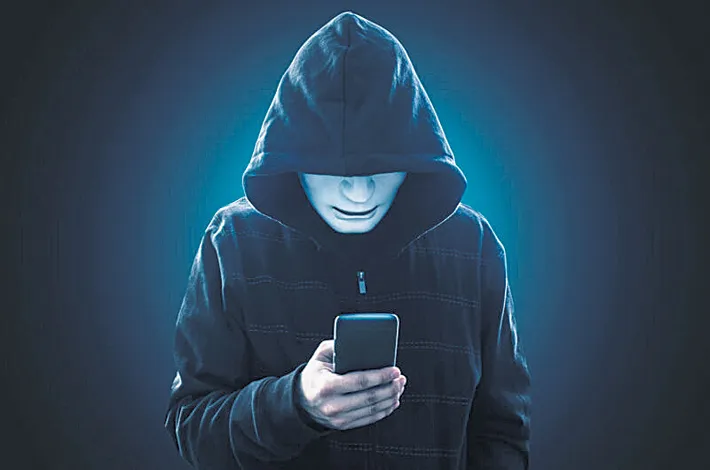
Scammers make WhatsApp calls to create fear and urgency, convincing victims to install malicious APK files disguised as official apps, such as “HMWSSB WATER BILL UPDATE.apk”. Once installed, these apps allow attackers to access mobile phones, steal banking OTPs, and drain accounts
Hema Singuluri I hyderabad
Fraudsters seem to come up with new ways to trick citizens. Impersonating Hyderabad Metropolitan Water Supply and Sewerage Board (HMWSSB) officials and making threatening calls about alleged water bill dues and warning of immediate disconnection is the new way of conning citizens.
According to cybercrime officials, scammers are using WhatsApp calls to create fear and urgency, convincing victims to install malicious APK files disguised as official apps, such as “HMWSSB WATER BILL UPDATE.apk”. Once installed, these apps allow attackers to access mobile phones, steal banking OTPs, and drain accounts.
Police have clarified that there is no scheduled water shutdown and have urged citizens not to panic or act on such calls. Hyderabad Police have officially warned the public to ignore such calls, avoid installing unknown applications, and report suspicious activity immediately. Sai Krishna Singupuram, Principal Cyber Security Consultant at the Telangana Cybercrime & Cybersecurity Department, said this kind of fraud is new and have been reported repeatedly over recent months in 2026.
He explained that the core strategy is social engineering campaign, building a convincing narrative based on the victim’s financial situation and pushing them to act immediately. Fraudsters often use phrases such as “your account will be free to access” to manipulate victims.
He noted that this is a “vishing campaign”, where voice calls are used alongside phishing and smishing techniques. These include emails, SMS messages, WhatsApp links, fake job offers, and even video or voice calls. Common tactics also include fake parcel delivery messages and impersonation of customs or official agencies to build trust.
Sai Krishna added that even retired officers and educated individuals are falling victim. He pointed out that fraudsters carefully select targets such as housewives and elderly citizens. Job scams are also increasing rapidly.
He emphasized the importance of awareness and identity verification, noting that official communication standards must be checked carefully, including regulatory identifiers like RBI-linked number patterns beginning with “44”. He also warned that artificial intelligence is making scams more convincing through voice and video cloning.
“STOP, THINK AND ACT,” he urged, adding that digital literacy is not keeping pace with rapid digital adoption.
HMWSSB Managing Director Rajashekhar also clarified this new scam wasn’t observed before and earlier incidents in 2025 were limited to spam and billing-related hoaxes. He said transmission and distribution systems remain stable and any genuine shutdowns would be officially announced through news channels.
He also advised citizens to contact the HMWSSB toll-free number for any billing concerns. Authorities have urged citizens to report cyber fraud immediately via helpline 1930 or the official cybercrime portal.