26 October, 2026 | 8:08 PM


Phone Tapping Case: SC grants Interim Relief to former SIB Chief
17-01-2026 12:36:12 AM
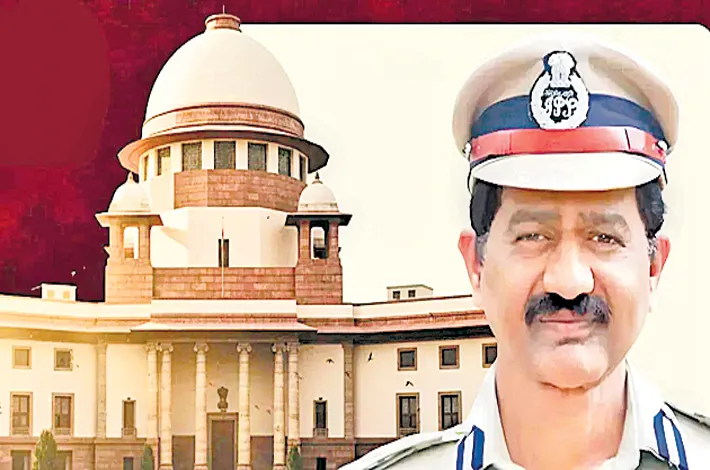
In a significant development in the high-profile phone tapping case that has shaken Telangana’s political landscape, the Supreme Court on Thursday granted interim relief to former Special Intelligence Bureau (SIB) chief Prabhakar Rao, extending him protection from arrest.
A Bench comprising Justice B.V. Nagarathnam and Justice R. Mahadevan raised sharp questions over the conduct and pace of the investigation, repeatedly asking the State why further custodial interrogation was required despite already having been granted two weeks of custody.
The Bench questioned the investigating agency on what remained to be probed, asking, “How long will this investigation continue? What is still left in the case?” The judges also observed that even if anticipatory bail is granted, the accused can still be summoned for questioning whenever required.
As part of its interim directions, the Supreme Court ordered that Prabhakar Rao reset his iCloud password in the presence of forensic experts. The Bench made it clear that if it is found that data was deleted after the reset, the case could be dismissed. Until the next hearing, the Court extended interim protection from arrest to Prabhakar Rao and adjourned the matter to March 10.
The Bench clarified that it had invoked Article 142 of the Constitution to pass interim orders, keeping in mind the interests of justice and the ongoing investigation.
Appearing for the Telangana government, Solicitor General Tushar Mehta and senior advocate Siddharth Luthra argued that Prabhakar Rao was not cooperating with the investigation and that custodial interrogation was essential to uncover the truth. They contended that granting anticipatory bail to a person who had already been in custody raised serious legal concerns and could create procedural complications.
Luthra told the Court that Prabhakar Rao had refused to share his iPhone and iCloud passwords, alleged that crucial data on hard disks was destroyed after a change in government, and claimed that new hard disks were later introduced. He further alleged that phones of politicians, journalists, judges, builders, and businesspersons were tapped under the pretext of monitoring Naxalite activities, and that devices were handed over to investigators only after the data was wiped.
The Supreme Court, however, remained unconvinced about the need for further custody, asking whether the purpose of interrogation had already been achieved and whether the State intended to send the accused back to jail again.