14 September, 2026 | 5:51 PM


Red, Then Green, Now Saffron
10-06-2026 12:00:00 AM
New political era begins in Bengal
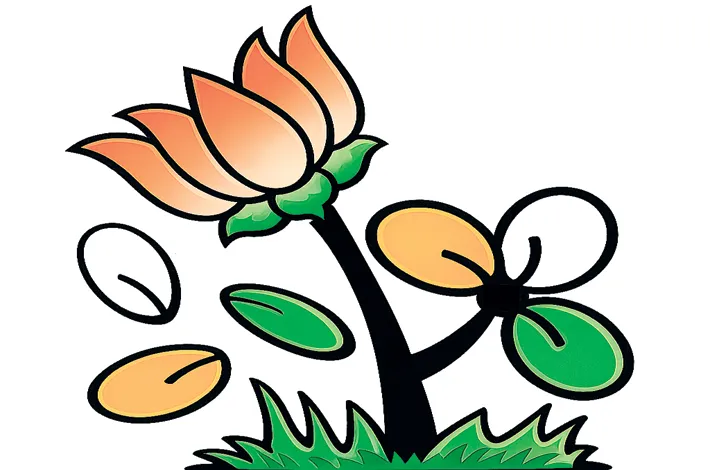
The BJP’s journey from a marginal player to Bengal’s ruling party is one of the most remarkable political transformations in recent Indian history. In 2016, it won just 3 seats with 10% vote share. By 2021, it surged to 77 seats and became the main opposition. In 2026, it delivered a knockout blow with 208 seats.
This rise was methodical. Starting post-2014 under the national leadership’s focus, the party invested in grassroots organisation, RSS groundwork, and strategic alliances with local disgruntled elements, including defectors like Suvendu Adhikari. It addressed Bengali cultural sensitivities while projecting national development and Hindutva themes. Campaigns emphasised “Jai Shri Ram,” refugee citizenship for Hindus (e.g., Matua community), and anti-infiltration drives.
Key strategies included building strength in North Bengal, urban centres, and SC/ST areas; countering TMC’s muscle power with booth-level management; and capitalising on anti-incumbency. The party moderated its “outsider” image by promoting local faces and issues like women’s safety, jobs, and ending “tolabazi.” Electoral roll revisions and high Hindu consolidation aided the sweep.
From near-irrelevance to governing the state with a strong mandate, the BJP’s success reflects sustained ideological and organisational persistence. It now faces the challenge of governance—delivering on promises of corruption-free administration, industrial growth, and social harmony in a historically left-leaning, volatile state