30 September, 2026 | 10:03 PM


Sajjapur Chamadumpa GI Application accepted by Chennai Registry
29-04-2026 12:00:00 AM
Metro India News | Hyderabad
The Geographical Indication application for the renowned Sajjapur chamadumpa, a unique colacasia variety from Telangana, has been technically accepted by the Geographical Indications Registry, Chennai, on Tuesday (April 28). The application, bearing number 2025, was filed by the Telangana Council of Science and Technology.
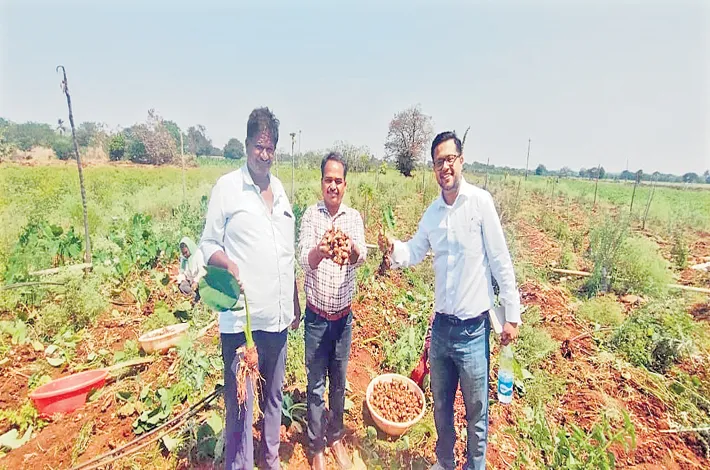
The application process was led by Subhajith Saha, Head Legal at Resolute4IP, while Dr. Pidigam Saidaiah, Professor at Sri Konda Laxman Telangana Horticultural University, served as the principal investigator. The project, supported by TGCOST, involved extensive research including origin validation, varietal characterization, biochemical profiling, DNA tagging, and documentation of traditional farming practices specific to Sajjapur village in Kohir Mandal of Sangareddy district.
Sajjapur chamadumpa is the first colacasia variety from the region to seek GI protection. It is known for its distinctive purple streaks on the tuber skin, high dry matter content, low acridity, and superior culinary qualities. The crop has been traditionally cultivated and preserved by local farmers for over a century under rainfed and tank irrigation systems.
Vice Chancellor Dr. Danda Raji Reddy highlighted that GI registration can significantly benefit farmers through premium pricing, better market positioning, and export opportunities. He added that the university is actively working to secure GI recognition for more horticultural crops from Telangana.
Dr. Rajendra Prasad, Member Secretary of TGCOST, noted that GI tagging helps prevent misuse of the product name while enabling genuine producers to access global markets. He emphasized that the Council supported the initiative by funding the documentation and application process.
The acceptance of the application marks a crucial step toward securing GI status for Sajjapur chamadumpa, reinforcing Telangana’s rich agricultural heritage and offering economic benefits to local farming communities.