26 October, 2026 | 10:15 PM


Telangana is one of the 16 mahājanapadas: ASI finding
11-02-2026 12:00:00 AM
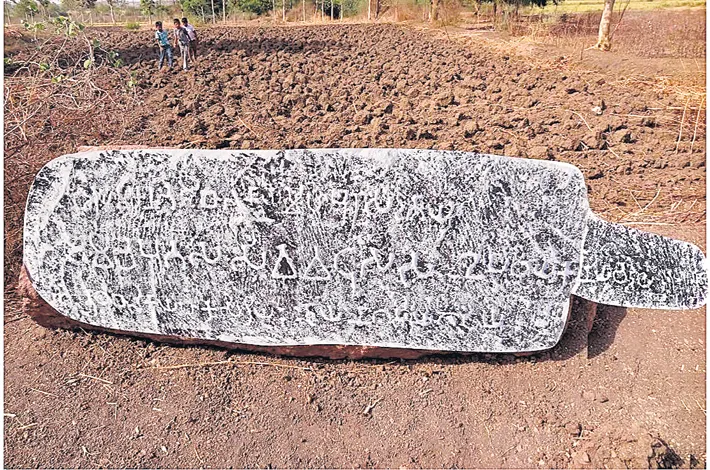
Telangana has a significant place in early Indian history, as parts of the present-day state were included within one of the sixteen mahājanapadas that flourished during the 6th century BCE. These mahājanapadas represented the major political and cultural entities of ancient India and played a crucial role in shaping early state formation and governance.
The Asmaka mahājanapada, one among the sixteen—namely Magadha, Kosala, Kashi, Anga, Vajji, Malla, Chedi, Vatsa, Kuru, Panchala, Matsya, Surasena, Asmaka, Avanti, Gandhara, and Kamboja—covered regions corresponding to present-day Karimnagar and Nizamabad districts of Telangana. Historical sources identify Bodan as the capital of Asmaka. The mahājanapada flourished during the 6th century BCE and was an important political entity in the Deccan region.
Epigraphical evidence further substantiates Telangana’s association with the Asmaka rājya. The Mukkaaraopēta inscription records Bālikāya Hakusiri, son of Sātakarni I and Nāganikā, as the ruler of Asmaka. Additionally, the Gundaram Reserve Forest inscription refers to Kūmara Hakusiri, corroborating the same lineage and political authority. These inscriptions provide strong archaeological and historical proof of Asmaka’s territorial extent.<A senior official from the Epigraphy division of Archaeological Survey of India said, “The combined evidence from these inscriptions clearly indicates that parts of present-day Telangana were integral to the Asmaka rājya, one of the sixteen mahājanapadas of ancient India. This conclusion is supported by official epigraphical records referenced as A.R. No. B.384 of 2019–20 and A.R. No. B.301 of 2024–25, as documented by the Archaeological Survey of India.”