24 October, 2026 | 5:53 AM


The aesthetics of food items- Beyond eating
08-09-2026 12:00:00 AM
Metro India News | Hyderabad
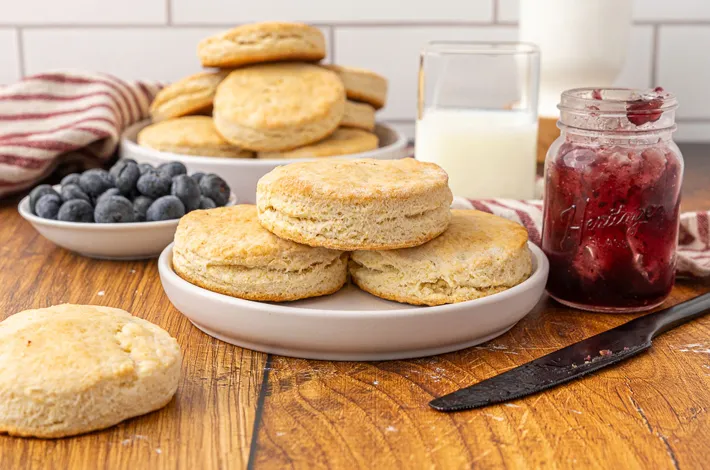
There was a time when a biscuit had one job: To be eaten. You bought a packet from the neighbourhood kirana, opened it with your teeth, if needed, dunked it into tea and got on with your life. Nobody knew where the wheat came from. Nobody cared about the butter. The only question a biscuit was expected to answer was whether there was another one left in the packet. Now everything has a backstory. A biscuit is no longer a biscuit. It is handcrafted, slow-baked, perhaps even inspired by some grandmother somewhere.
The packet is brown, the lettering is tasteful and the quantity inside is just enough to make you wonder whether you have accidentally bought stationery. The same thing has happened to the rest of the kitchen and, increasingly, the bathroom. Detergent has become laundry care. Pickle is a small-batch preserve. Tea is a single-estate experience. Ice cream is slow-churned. Salt has become strangely ambitious. It can be Himalayan, smoked, pink, infused, mineral-rich, and important enough to deserve a place at the table.
Water has perhaps had the greatest career transformation. For most of our lives, water was the one thing nobody had to explain. You drank it. You asked for more. Now there is water that sounds like a minor European aristocrat, comes in a glass bottle, is alkaline, and costs enough to make you briefly consider dehydration. I find the detergent particularly revealing. It used to be powder. You measured it badly, threw it into the bucket and hoped for the best. Now the bottle wants to be taken seriously. It talks about fabric care, fragrance notes, botanical ingredients and mysterious technology designed to make your clothes feel loved. All you want is for it to remove the turmeric stain.
The tomato needs a farmer’s story. The bedsheet needs a thread count. Even the humble candle, which once existed mainly to help when the electricity went out, now requires a mood, a scent profile and, possibly, a wellness objective. The funniest part is that we remain gloriously Indian about money. We will pay Rs 800 for a tiny box of craft chocolate and bargain over Rs 10 with the sabziwala. We will discuss the ethics of single-origin coffee and argue with an autorickshaw driver over Rs 20. We will order imported sparkling Alpine water in a restaurant and doggybag biryani wrapped in foil.
Perhaps the real luxury now is the freedom to be ordinary: To drink water without knowing its birthplace, eat a cookie without being briefed on its terroir, and use detergent without caring which botanical miracle has gone into it. A biscuit need not be handcrafted; water does not need a biography; and maavadu pickle certainly does not need a founder’s story, a tasting note or a website explaining its journey from farm to jar.
It can sit in its reused Horlicks bottle, tasting exactly as it always has. There is something wonderfully subversive about that now: To make, buy or eat something simply because it is good, without elevating it, curating it or giving it a backstory. Not everything needs to be premium. Some things were perfectly fine before we started fixing them.

- Kishore Nuthalapati
The author is CFO of BEKEM Infra Projects Pvt Ltd, Hyderabad. Views are personal and are not of any organizations he is or was associated with.