18 October, 2026 | 3:36 PM


The growing crisis of road safety in Indian cities
12-02-2026 12:00:00 AM
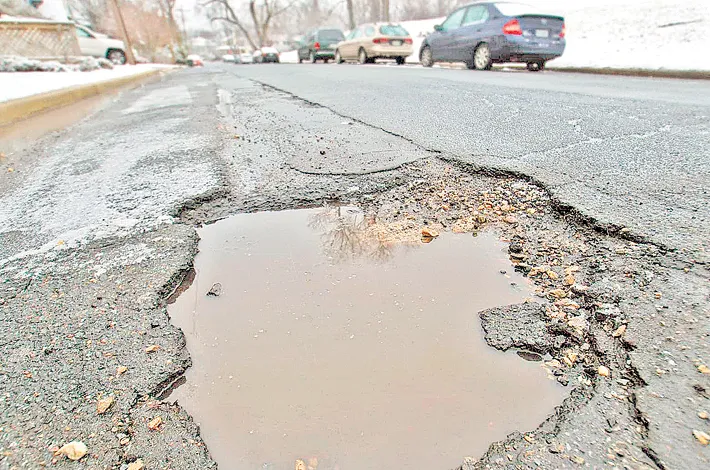
A nation in crater crisis
In recent times, a disturbing trend has emerged across India's urban landscapes: roads designed to facilitate movement are increasingly becoming zones of peril. From collapsing highways to unmarked pits, these incidents are not isolated anomalies but symptomatic of deeper systemic failures. Cities like Bengaluru, Delhi, Noida, and Mumbai are witnessing a surge in such hazards, where inadequate safety measures and delayed responses have led to preventable tragedies. This morning's discussion highlights how these issues stem from a combination of apathy, corruption, and misplaced priorities, underscoring the urgent need for reform.
In Bengaluru, for instance, a busy highway caved in during peak traffic hours. Ongoing construction work lacked proper warning signs, and repairs were initiated only after significant damage had occurred. Similarly, in Delhi's Janakpuri, a motorcyclist plunged into an open pit at night due to poor lighting and insufficient barricading. His family endured hours of frantic searching before he was located. Locals had long known of the danger, yet there were no signs, reflectors, or barriers in place.
On the Mumbai-Pune Expressway, a tanker accident halted traffic for hours, leaving commuters stranded without basic facilities, with updates and clearances arriving far too late. These examples illustrate a pervasive pattern: multiple agencies involved with minimal coordination, absent safety checks, and actions that materialize only post-tragedy, often after lives are lost. Fundamental questions arise—who bears responsibility for road safety? Why are hazards addressed reactively rather than proactively? Why are warning signs still optional?
Former IPS officer Kiran Bedi, addressing the human cost of such indifference, emphasized the absence of a "culture of civility" in society. She argued that generations are being raised where civility is perceived as weakness or surrender, overshadowed by glamour, greed, visibility, and power. Values like empathy, compassion, and service are outdated, she noted, leading to a culture that celebrates noise, violence, and muscle power instead. This societal shift, according to Bedi, contributes to the neglect of public safety in urban infrastructure projects, where priorities are grossly misplaced.
An urban planning expert echoed concerns about civic apathy but pointed fingers at a lack of political will and rampant corruption. He described how ethical discussions serve merely as ladders to power, with corruption escalating to unprecedented levels—now siphoning off 30-50% of budgets, compared to 2-5% in the past. This, he claimed, explains persistent potholes and unsafe roads, as contractors and builders influence governance through bribes. He dismissed post-incident measures like filing FIRs as "bogus," often involving collusion between authorities.
A former bureaucrat in the Ministry of Urban Affairs advocated for institutionalizing real-time monitoring using technology like drones to oversee hazardous sites, such as lakes or construction areas, providing visual evidence for accountability. He stressed that drone supervision could ensure issues are addressed before escalation. While agreeing on the need for barriers and reflectors, he shifted focus to broader urban planning flaws. He cited Mumbai's local trains, where overcrowding causes 121 accidents daily despite a capacity for 7 million commuters.
He criticized the allocation of Rs 1.85 lakh crores to "fancy" metro lines, which remain unaffordable for the common person, while a Rs 40,000 crore plan to double local train capacity—approved but stalled by metro lobbies—could save lives. Another group of urban planners and experts argued that the issue isn't urban planning per se but "wrong priorities." They contrasted the affordability of metros (Rs 120 round-trip, unaffordable for low-income workers like maids or drivers) with the risks of overcrowded trains. While metros benefit the affluent, they fail to alleviate the lifeline for the masses, leading to increased accidents from overcrowding. They insisted that surplus funds should enhance existing systems before investing in new ones, emphasizing that bad planning perpetuates unsafe commutes where manholes or ditches pose constant threats.
The whole episode underscored that while individuals can complain, systemic change demands closing the feedback loop—tracking reports, ensuring execution, and integrating proper urban planning to make roads predictable and safe. Ultimately, these tragedies are preventable with barricades, reflectors, and prioritized safety. Cities worldwide have achieved this through accountability and innovation. As India grapples with rapid urbanization, the hope is for a shift where complaints translate to action, saving lives rather than merely sparking fleeting debates.