28 September, 2026 | 2:24 AM


Two-acre rule to end ‘prison-like’ junior colleges?
05-03-2026 12:00:00 AM
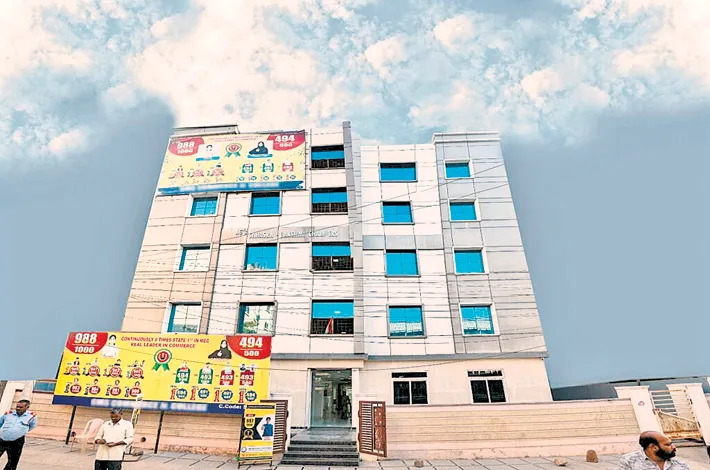
According to the Commission’s report, new junior colleges should not be granted approval unless they possess their own land as per prescribed norms
In a significant move aimed at regulating the functioning of private and corporate junior colleges in Telangana, the State Education Commission has recommended the implementation of a strict land policy for granting permissions. The proposal is widely seen as an attempt to curb the growing trend of junior colleges operating from apartments and mixed-occupancy commercial buildings while charging exorbitant fees under various names.
According to the Commission’s report, new junior colleges should not be granted approval unless they possess their own land as per prescribed norms. The guidelines would apply not only to new institutions but also to existing colleges seeking continuation of recognition. The Commission has clearly stated that colleges must function in spacious environments and not from congested apartments or commercial complexes.
If implemented, the recommendations are expected to effectively check the emergence of such institutions in the future. For several years, allegations have surfaced regarding the functioning of private junior colleges in the state. Telangana Women’s Commission Chairperson Nerella Sharada had earlier sparked debate by stating that some junior colleges resemble prisons rather than educational institutions. Concerns have been raised about lack of ventilation and natural light, overcrowded classrooms accommodating students beyond sanctioned strength, and hostels being run within the same premises. Reports indicate that in some cases, more than four students are housed in small rooms. Many colleges reportedly do not have playgrounds, depriving students of basic recreational space.
Students are also said to be subjected to intense academic pressure, with study hours extending from 12 to 16 hours a day. Classes are reportedly conducted even on Sundays and holidays, adding to the burden. In light of these conditions, the Education Commission has proposed measures to bring accountability and improve infrastructure standards in private colleges. Student unions have welcomed the recommendations, expressing hope that institutions operating without minimum facilities, including playgrounds, would face stricter scrutiny.
The Commission has recommended that in urban areas, junior colleges must have a minimum of two acres of own land to qualify for permission. In rural areas, the requirement has been fixed between four and five acres. It has emphasized that approvals should be granted only when these land conditions are fulfilled. The report further states that campuses must include adequate playground space, greenery, and essential infrastructure to ensure a healthy academic environment conducive to students’ overall development. However, questions have emerged regarding the feasibility of implementing these norms. Establishing a private junior college already involves considerable expenditure, including infrastructure development, staff salaries, taxes, and other operational costs.
Critics argue that acquiring two acres of land in urban areas may be impractical due to high land prices and scarcity of space. Even in rural areas, while land may be relatively more accessible, it is often located on the outskirts of villages, and not many landowners with four to five acres may be interested in establishing educational institutions. There are also concerns that if promoters invest heavily in purchasing land, it could strain financial resources and affect the sustainability of running the college. While large corporate institutions may be able to comply with the proposed norms, smaller operators may find it challenging. This has led to debate over whether the Commission’s well-intentioned and reform-oriented recommendations can be effectively implemented on the ground.
The state government is yet to take a final decision on the report. If approved and enforced, the proposed land policy could bring sweeping changes to the private junior college sector in Telangana, potentially ending the practice of operating educational institutions from congested mixed-occupancy buildings and reshaping the regulatory framework for intermediate education.