15 October, 2026 | 9:24 AM


UP means Unlimited Potential: Yogi
24-02-2026 12:00:00 AM
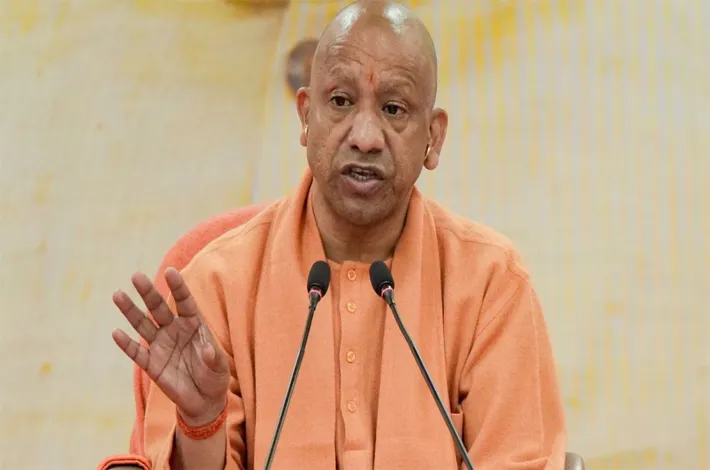
In an interview conducted by a private channel, Uttar Pradesh Chief Minister Yogi Adityanath recalls that when his government assumed power in 2017 with the "double-engine" model (aligned central and state BJP governments), the state's budget was around Rs 3 lakh crore. By the latest budget presented, it has surpassed Rs 12.6 lakh crore (earlier references note the outlay crossingRs 9 lakh crore in recent years).
He describes this as evidence of Uttar Pradesh shedding its past image as a "sick" or underdeveloped state, now realizing its "unlimited potential" under capable leadership. In contrast, he claims previous regimes led by "incapable" hands pushed the state toward decline. A key focus is the dramatic shift from a "curfew culture" to "zero tolerance" for crime and mafia activities. Before 2017, he says daughters feared returning home late, farmers couldn't access their fields safely, and businesses fled due to insecurity.
Riots were frequent—over 900 in five years under prior rule—and corruption, nepotism, and lawlessness prevailed. His administration ended this, with no major riots or curfews in recent years. This has attracted massive investment proposals worth Rs 50 lakh crore, of which Rs 15 lakh crore are grounded and another Rs 6 lakh crore nearing groundbreaking. Women's workforce participation has risen from 13% to 36%, driven by enhanced safety and opportunities.
Addressing opposition criticism—particularly from Akhilesh Yadav and Rahul Gandhi—he dismisses their doubts about investments and economic targets (like the $1 trillion economy goal, now eyed for 2029) as baseless. He accuses them of lacking vision for development, being fixated on family and appeasement politics, and engaging in misinformation. He contrasts their alleged "anarchy" with his government's results, including ending middlemen exploitation for farmers and ensuring secure environments for trade and daily life.
On cultural and historical issues, Yogi strongly defends national symbols like Vande Mataram, calling refusal to sing it an insult to the Constitution, Babasaheb Ambedkar, and freedom fighters. He mocks Akhilesh Yadav's supposed shift toward "protecting Hinduism," labeling it opportunistic rather than genuine faith, citing past actions like restrictions on Hindu processions (e.g., Kanwar Yatra, Kavads with restrictions on slogans and even conch shells), blocking 84 Kosi Parikrama in Ayodhya, and alleged favoritism toward figures like Salar Masood Ghazi over historical Hindu warriors like Maharaja Suheldev. He highlights renaming the Agra Mughal Museum after Chhatrapati Shivaji Maharaj and upcoming grand celebrations of Shivaji's birth anniversary as affirmations of pride in Indian icons, rejecting comparisons to invaders like Tipu Sultan.
Regarding electoral integrity, he defends the Election Commission's Special Intensive Revision (SIR) process, which removed around 2.88 crore names from Uttar Pradesh's voter list (out of 15.55 crore) as deceased, absent, duplicate, or shifted. He accuses opposition parties of historically inflating fake voters for advantage and now crying foul when cleaned up. He insists the process is neutral and urges parties to use available forms to rectify genuine errors.
Looking ahead to the 2027 Uttar Pradesh assembly elections, Yogi confidently predicts the BJP's "double-engine government" will return with even greater strength than in 2022—no scope for Samajwadi Party or others. He emphasizes public desire for jobs, safety, farmer welfare, transparent business, and women's security, which only the BJP delivers. He ties this to broader achievements: restoring Uttar Pradesh's identity, preventing farmer suicides, enabling local employment, and advancing economically toward a trillion-dollar economy.
In rapid-fire closing remarks, he reiterates the biggest 2027 headline will be the double-engine government's triumphant return. His greatest achievement, he says, is restoring Uttar Pradesh's pride—where youth no longer lack identity, farmers prosper, workers find self-reliance, women feel safe, and the state climbs new economic heights. This embodies "Ram Rajya" without discrimination, realized through the grand Ram Temple in Ayodhya and grounded policies.
He draws a parallel between bulldozers (symbolizing anti-mafia action and infrastructure like expressways) and BrahMos missiles (representing India's strategic strength), both complementary to Uttar Pradesh's and India's rise. On Rahul Gandhi, he quips that just as a sinking ship needs a captain who accelerates the sinking, Rahul fits that role for Congress. He humorously "congratulates" Akhilesh for finally building a temple but urges him to prepare for Krishna Janmabhoomi next, implying insincerity.