11 October, 2026 | 8:39 AM


Volvo sees sales spike in mild-hybrids amid GST 2.0
12-01-2026 12:00:00 AM
Metro India News | new delhi
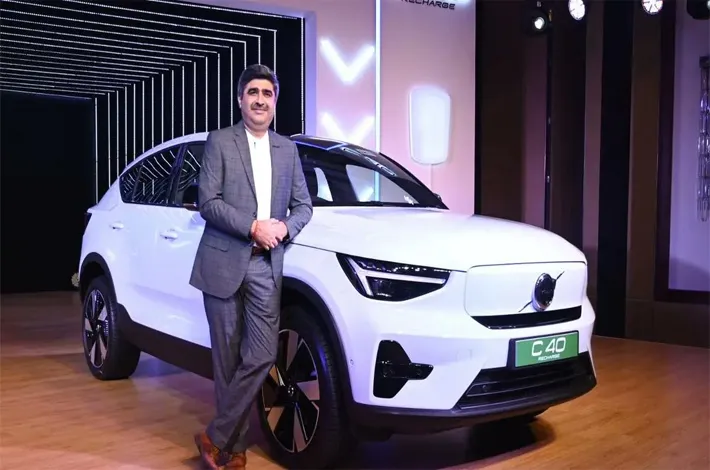
Swedish luxury carmaker Volvo said it remains committed to an all-electric future, with one in four cars sold in India currently being an electric vehicle (EV). However, the rollout of GST 2.0 has made its mild-hybrid SUVs a more attractive choice for customers, according to Volvo Car India Managing Director Jyoti Malhotra.
Malhotra explained that the revised tax regime has streamlined the luxury segment by rationalising GST rates, boosting the appeal of internal combustion engine (ICE) models. “Our portfolio mix remains consistent, and EV sales continue at one out of four cars. The success of our EX30 and temporary CMA (Compact Modular Architecture) recalibration have shaped this mix,” he said.
Volvo’s flagship models XC90 and XC60 recorded significant double-digit growth in monthly sales post-GST 2.0. The company attributed this to reduced tax rates on luxury ICE vehicles, which made mild-hybrid SUVs especially compelling during the festive season and beyond.
Malhotra reaffirmed Volvo’s all-electric strategy, adding that 2026 will see a more aggressive EV rollout in India. He also flagged possible price revisions for some models due to foreign exchange fluctuations and other business factors.
Under GST 2.0, small petrol, LPG, and CNG vehicles under 1,200 cc and 4,000 mm length now attract 18% GST, down from 28% plus cess, while larger cars above 1,200 cc and longer than 4,000 mm moved to a 40% GST slab from earlier rates of 28% plus cess ranging 15-22%. The government continues to maintain a 5% GST on EVs, supporting long-term electrification goals while giving luxury ICE vehicles a short-term boost.
This shift highlights a balancing act between accelerating EV adoption and sustaining demand for premium mild-hybrid models.