15 September, 2026 | 5:06 AM


Youth hope, doubt and CJP
14-06-2026 12:00:00 AM
HEMA SINGULURI I hyderabad
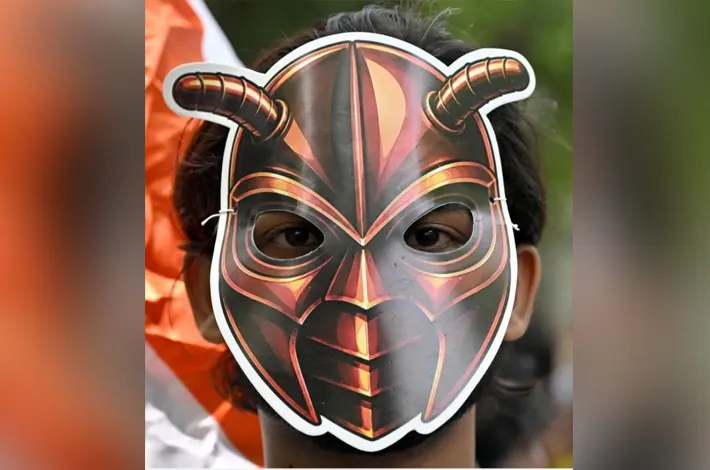
The youth in Hyderabad, like others across the country, are upbeat about the Cockroach Janata Party (CJP), which emerged after Chief Justice Surya Kant compared the youth to ‘cockroaches’, triggering outrage on social media. With a protest scheduled at Dharna Chowk today, Metro India spoke to a cross-section of people about their hopes for CJP. Will these protests actually translate into action and deliver results? Or is the social media outrage just another fad that will eventually fade away?
At a meeting held at Gun Park on June 12, a prelude to the Dharna Chowk protest, participants appeared determined and enthusiastic. The demonstration is part of a nationwide campaign demanding the resignation of Union Education Minister Dharmendra Pradhan over alleged paper leaks and lapses in competitive examinations such as NEET-UG. Interestingly, there were quite a few first-time attendees as well. The organisers' demands include exam reforms, unemployment relief, and greater youth representation in policymaking.
Though there is excitement among the youth, there is also apprehension. Hamed, a first-year BA student at St. Mary's College, Yousufguda, said he is cautiously positive, describing demands such as women’s reservation, breaking media monopolies, and preventing political defections as “solid, not just memes.” However, he remains unconvinced due to the movement’s rapid growth and is suspicious about who might be backing it.
Echoing a similar sentiment, Mehanur, a third-year BA student from the same college, said, “I feel overexposure and allegations of political links have diluted its ‘fresh revolution’ image.” However, she still considers it a form of revolution and appreciates the recent protests.
Shiva Kumar Reddy, an assistant professor, observed that CJP reflects deep frustration among young Indians who feel ignored. Referring to controversies surrounding examination systems, particularly NEET 2026, he emphasised that while students are subjected to strict rules, systemic failures often escape accountability. He argued that movements should be judged on the issues they raise rather than the backgrounds of their founders, and that they should push for transparency and non-partisan scrutiny.
Michelle, a first-year BA student, called it a positive initiative, stating that India needs change as people have remained silent for too long. She also suggested that CJP could possibly be backed by the RSS, but said political outcomes remain uncertain and ultimately depend on public will.
Jhanvi S, a 26-year-old employee at Amazon, took a neutral yet somewhat positive stance. She believes the movement has highlighted genuine concerns of the youth but remains uncertain about its long-term impact. She added that claims of RSS funding are speculative and unproven. While supporters view CJP as a fresh voice for young people, critics continue to question its motives and affiliations.
Will the movement continue? Its real test lies ahead: whether it remains a viral symbol of dissent or evolves into a serious force for democratic accountability.