11 October, 2026 | 6:01 PM


Andhra introduces QR Code feedback system in village and ward secretariats
12-05-2026 12:00:00 AM
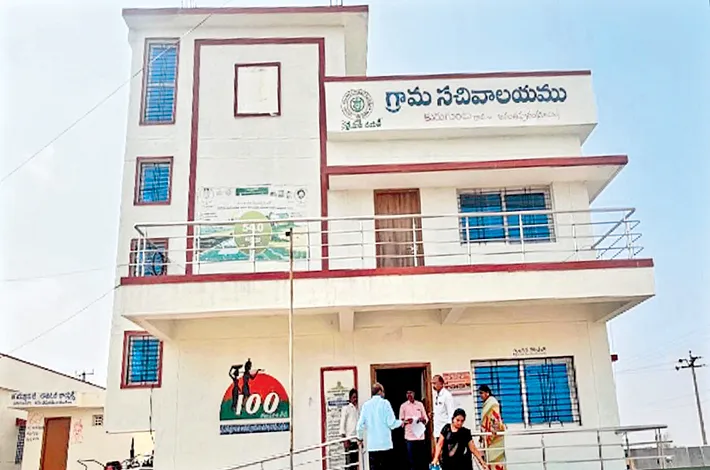
- Frequent complaints about ward & village secretariats include staff absenteeism, delays in service delivery, lack of accountability and poor public response.
- Govt. introduces Organization Performance Tracking System (OPTS), a QR code-based feedback system to directly monitor the secretariats’ functioning.
- This enables citizens to instantly rate staff behavior, service quality, and employee availability by simply scanning QR codes displayed at secretariat offices.
- Officials opine that the new system will help bring in accountability, transparency and help curb unnecessary delays, middlemen interference and corruption.
Metro India News | AMARAVATI
Frequent complaints about staff absenteeism, delays in service delivery, lack of accountability, and poor public response at village and ward secretariats have prompted the Andhra Pradesh government to roll out a new digital monitoring mechanism aimed at improving governance at the grassroots level. In a significant administrative reform, the state government has introduced the Organization Performance Tracking System (OPTS), a QR code-based citizen feedback system designed to directly monitor the functioning of village and ward secretariats across the state.
The initiative enables citizens to instantly rate staff behavior, service quality, and employee availability by simply scanning QR codes displayed at secretariat offices. The move comes amid growing criticism from the public that many secretariat employees are either not available during office hours or fail to respond properly to citizens seeking government services. Complaints regarding delays in issuing certificates, welfare-related approvals, pension services, and land record assistance have been repeatedly surfacing from several regions.
To address these concerns, QR code posters have now been installed at the entrance of nearly 899 village and ward secretariats in the erstwhile Prakasam district alone. Similar arrangements are being expanded across other districts as part of the government’s broader administrative monitoring framework. When citizens scan the QR code using their mobile phones, they are directed to a feedback portal containing three key questions like, How was the behavior of the office staff? Was your work completed satisfactorily? Were the employees available in the office?
Citizens can choose responses ranging from “very good” to “very poor,” and also indicate whether staff were fully available, partially available, or completely absent. After submitting their feedback along with their name and mobile number, the complaint or review is directly transmitted to the central monitoring office in Amaravati .Officials said that if complaints are found to be genuine after verification, disciplinary action will be initiated against the concerned employees.
According to officials, the OPTS platform is expected to bring greater transparency and accountability into the secretariat system. Every employee’s daily work performance is digitally tracked, allowing senior officials to monitor how quickly services such as pensions, ration cards, income certificates, land records, and welfare scheme benefits are being delivered. The system also enables authorities to identify employees with high pending workloads or repeated complaints, thereby improving administrative discipline and responsiveness.
Officials believe the digital tracking mechanism will help curb unnecessary delays, middlemen interference, and corruption. Since all services and complaints are recorded online, the government can maintain real-time oversight over service delivery at the village level. The data generated through the system will also help the government identify districts or mandals where complaints are high or services are lagging, enabling targeted corrective measures. Despite the rollout, officials admit that public awareness about the QR-based system remains limited. Citizens are now being encouraged to actively use the feedback mechanism so that governance at the grassroots level becomes more transparent, efficient, and citizen-friendly.