28 September, 2026 | 2:34 AM


CBI led SIT rules out animal fat in Tirumala laddu ghee case
28-01-2026 12:00:00 AM
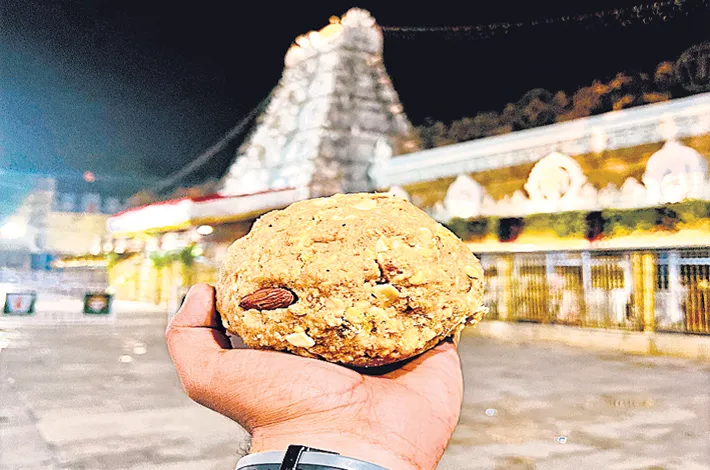
A CBI-led Special Investigation Team (SIT) has concluded that the ghee used in the preparation of the sacred Tirumala Srivari Laddu did not contain animal fat, putting to rest one of the most sensitive religious controversies in Andhra Pradesh in recent years. The SIT submitted its final chargesheet before the Anti-Corruption Bureau (ACB) Court in Nellore, stating that although the ghee supplied to the Tirumala Tirupati Devasthanams (TTD) was adulterated, the contamination was chemical in nature and not derived from animal sources.
The investigation was initiated following allegations made in September 2024 by Chief Minister N. Chandrababu Naidu and Deputy Chief Minister Pawan Kalyan, who had claimed that animal fat was used in laddu preparation during the previous YSRCP government’s tenure. Those statements triggered widespread political outrage and national debate over the sanctity of the Tirumala temple. The SIT’s findings have now categorically ruled out the presence of tallow or any other animal-based substances in the ghee.
According to the chargesheet, the adulteration involved the use of vegetable oils and synthetic chemicals designed to imitate the colour, aroma and texture of pure cow ghee. Substances such as palm oil, palm kernel oil, beta-carotene, acetic acid esters and artificial ghee flavouring were allegedly mixed and supplied as ghee. The material failed to meet the purity standards prescribed under the Food Safety and Standards Act, 2006.
The 15-month-long probe extended across 12 states and involved forensic experts, chemical analysts and financial investigators. The SIT named 24 individuals as accused and identified 12 others who played supporting roles, taking the total number of people linked to the racket to 36. Those charge-sheeted include ghee suppliers, chemical traders and officials associated with the TTD procurement process.
Investigators found that the adulteration racket functioned between 2019 and 2024, during which nearly 68 lakh kilograms of substandard ghee were allegedly supplied to TTD at inflated prices. This not only compromised quality but also caused substantial financial losses to the temple administration.
A key accused in the case is an Uttarakhand-based firm, Bhole Baba Dairy, which the SIT described as a “milkless dairy” lacking basic production infrastructure. Despite this, the firm allegedly secured contracts using forged quality certificates and illegal payments. The probe also uncovered a network of shell companies and hawala channels used to route and launder the proceeds of the scam across multiple states.
Several TTD procurement officials were accused of either negligence or active collusion in bypassing mandatory quality checks. Investigators noted that the temple’s daily requirement of over 15 tonnes of ghee created an opportunity for adulterated supplies to enter the system, sidelining genuine producers.
Reached the Supreme Court in October 2024, following escalating political confrontation. The apex court ordered a CBI-supervised SIT investigation and cautioned political parties against exploiting religious sentiments for political gain. While initial laboratory reports had suggested foreign fat markers, experts later clarified that such indicators alone were insufficient to establish the presence of animal fat without advanced forensic confirmation.
With the final chargesheet now filed, the investigation has drawn a clear distinction between religious claims and criminal wrongdoing. While the allegation of animal fat has been disproved, the SIT has confirmed the existence of a large-scale food adulteration and procurement fraud within the TTD supply chain. The court is expected to take cognisance of the chargesheet and initiate trial proceedings in the coming weeks.