30 September, 2026 | 4:55 PM


Concrete roads choking Hyderabad’s groundwater recharge
26-02-2026 12:00:00 AM
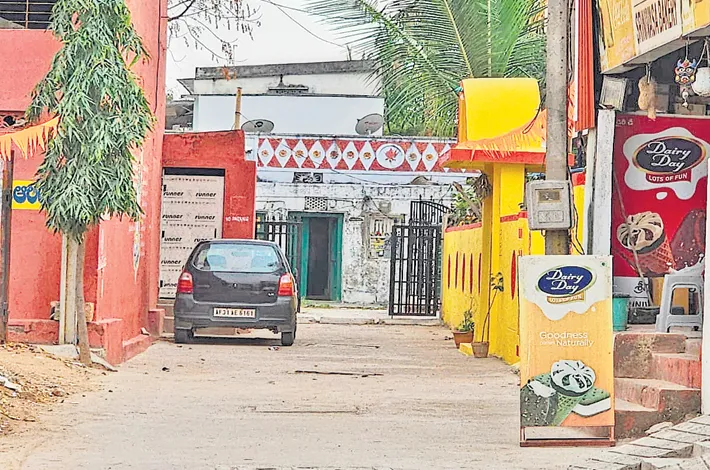
The rapid spread of end-to-end concrete roads in Hyderabad’s residential colonies is raising concerns about declining groundwater levels. While concrete roads improve sanitation and durability, they prevent rainwater from soaking into the soil.
In many areas, roads are laid with concrete from one compound wall to the other, leaving no open soil on either side. As a result, rainwater flows directly into drains and nalas instead of seeping into the ground. Urban planning guidelines recommend that 30-foot internal roads should have at least 1.5 metres of open space on both sides for tree pits, gravel beds or grass strips to aid water absorption. For 40-foot roads, even wider green buffers are advised. However, most colonies have fully concreted roads, blocking natural recharge.
Groundwater officials say concrete surfaces do not absorb water, leading to faster runoff and reduced replenishment of aquifers. Over time, this has caused groundwater levels to fall and increased reliance on private water tankers, especially in summer. Excessive borewell use and rapid construction have worsened the situation.
Data from several areas shows declining levels. In SR Nagar (Ameerpet), groundwater is at 21.14 metres below ground level. Kukatpally recorded 21.64 metres and Qutbullapur 21.56 metres. Malkajgiri stands at 14.07 metres, while Medipally dropped from 12.34 to 13.59 metres. The Charminar area saw a decline from 7.91 to 9.32 metres.
This drop comes despite above-normal rainfall. The GHMC area received 1,008 mm of rain by December 31, 2025, against the normal 746 mm. Yet only about 0.75 to 0.95 percent of annual rainfall percolates underground due to urbanisation.
Though rainwater harvesting is mandatory for larger plots, weak enforcement limits results. Experts stress balanced development, open soil margins, tree cover and effective recharge systems to secure Hyderabad’s groundwater future.