20 October, 2026 | 6:04 PM


Crude oil falls as supply risk fears ease globally
25-06-2026 12:00:00 AM
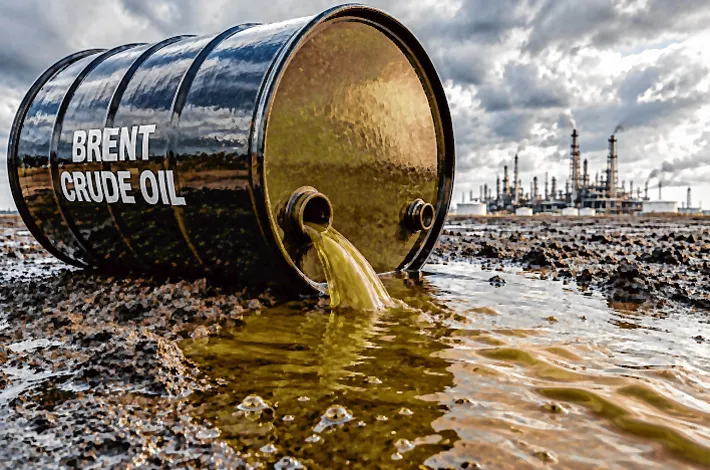
Crude oil prices extended losses on Wednesday as concerns over supply disruptions eased, while investors closely monitored developments around the strategically important Strait of Hormuz, a key route for global oil shipments.
On the Multi Commodity Exchange, crude oil futures for July delivery fell ₹63, or 0.9%, to ₹6,901 per barrel, with a business turnover of 5,109 lots.
Analysts said the decline was driven by profit-booking and weaker demand in the domestic spot market. Market participants reduced long positions as fears of immediate supply disruption in the Middle East began to ease. Traders said lower geopolitical risk reduced the risk premium built into crude prices over recent sessions.
In global markets, oil remained under pressure. Brent crude futures for August delivery declined 3.05% to $74.73 per barrel, slipping to their lowest level since before the US and Israel launched air strikes against Iran earlier this year. Meanwhile, West Texas Intermediate crude futures fell nearly 3% to around $71.02 per barrel.
Analysts said the sharp decline reflected improving confidence that oil flows through the Strait of Hormuz would remain largely uninterrupted. Nearly one-fifth of global oil supply passes through the narrow shipping corridor, making it one of the most critical chokepoints for energy markets.
Adding to market sentiment, Donald Trump criticised major oil companies for failing to cut retail fuel prices in line with the recent fall in crude prices. He accused producers of overcharging consumers and said the US Department of Justice would examine pricing practices.
Investors are now watching inventory data, OPEC+ output strategy and geopolitical developments for fresh direction, as crude prices remain highly sensitive to both demand trends and supply risks.
Analysts said crude may remain volatile in the near term as traders balance easing geopolitical tensions with global demand concerns.
—Agencies