6 November, 2026 | 12:31 AM


El Nino to test Telangana’s finances
06-11-2026 12:00:00 AM
metro india news I hyderabad
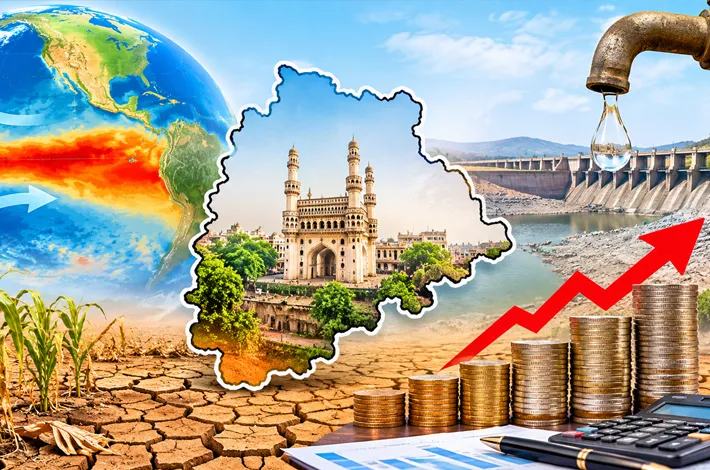
Telangana’s economy is heading towards a crucial test in the coming months, with the state government facing mounting financial pressures from multiple fronts. While it must fulfil its welfare promises and continue funding major development projects, it also needs to prepare for possible drought-like conditions due to the impact of El Nino. The combined burden of these responsibilities could put considerable pressure on the state exchequer.
The government has already committed substantial funds to welfare schemes. In the previous Budget, more than Rs. 50,000 crore was allocated towards implementing six major guarantees. This included Rs. 18,000 crore for Rythu Bharosa, Rs. 14,861 crore for Cheyutha pensions, Rs. 5,500 crore for Indiramma Indlu and Rs. 4,305 crore for the Mahalakshmi scheme. The government must also meet regular expenditure on salaries, pensions, loan interest and other commitments.
Meanwhile, deficient rainfall could increase expenditure on agriculture, irrigation, drinking water and electricity. Reduced rainfall may affect crop yields, lower farmers' incomes and weaken rural purchasing power. Increased dependence on groundwater could raise agricultural electricity consumption, while drinking water shortages may require alternative supply arrangements. Crop compensation, livestock fodder and employment support could further increase the government's financial burden.
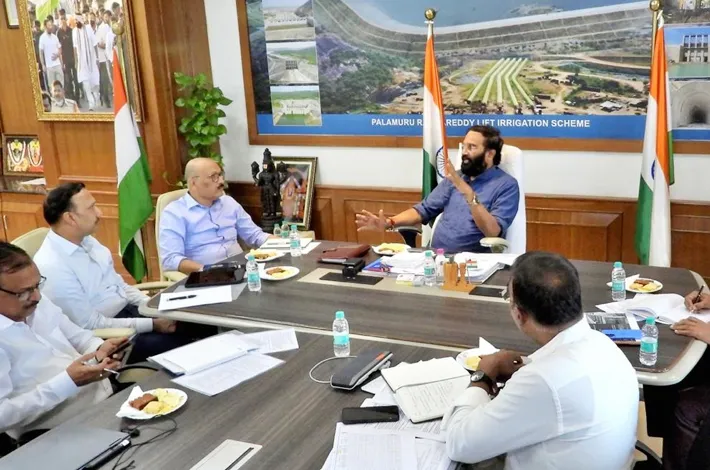
Telangana recorded a 24 per cent rainfall deficit between June 1 and October 31 this year. Against the normal rainfall of 831 mm, the state received only 628 mm. As many as 22 of the 33 districts experienced deficient rainfall. Groundwater levels have also declined in 554 of the state's 621 mandals compared to the previous year. Major irrigation projects, including Palamuru and Kaleshwaram, will require continued funding for construction, maintenance and water management. Rising dependence on groundwater and increased electricity requirements for lift irrigation schemes could further strain the state's finances.
The electricity sector is another area of concern. Telangana's peak power demand reached 20,003 MW on October 15 and is expected to rise to 23,000-24,000 MW during the coming summer. Reports indicate that nearly Rs. 3,000 crore was spent on electricity purchases over the past three months. The government is reportedly considering a special fund of Rs. 6,000 crore to tackle potential shortages of water and electricity and provide agricultural assistance.
It has also reportedly sought Rs. 20,000 crore in special financial assistance from the center, with plans to increase the demand to Rs. 30,000 crore if necessary. If central assistance is delayed or reduced, the state may have to depend more heavily on its own revenues and borrowings to meet additional expenses.
The government may need to review Budget allocations, priorities essential expenditure and ensure adequate funds for drinking water, irrigation, agriculture and electricity. Projects nearing completion and works such as tank restoration, canal repairs and water conservation may require priority. At the same time, diverting funds from development projects to meet emergency expenses could affect infrastructure growth and future investments.
Strict expenditure monitoring, improved revenue collections, investment promotion and effective debt management will therefore be essential. The government's biggest challenge will be to sustain welfare programs while ensuring that development projects continue without major delays. Achieving a balance between welfare commitments, development priorities and the financial consequence of El Nino is set to become a major test of Telangana's economic management in the coming months.