23 July, 2026 | 3:01 PM


Excise department transformed from opaque to transparent System
16-05-2026 12:00:00 AM
The government has set up a transparent tender committee to provide opportunities to all brands. Eleven premium stores have been established across the state to make international brands available. A new Rs 99 brand was introduced to discourage the consumption of illicit liquor
Metro India News | AMARAVATI
The Excise Department in Andhra Pradesh has been put on the track by emphasizing transparency, quality, technology and public health through a series of reforms. Soon after assuming office, Chief Minister N. Chandrababu Naidu identified the Excise Department as one of the key sectors needing immediate reforms. The government launched a comprehensive cleanup of the department.
The State Excise Board (SEB) was abolished and the entire Excise Department was unified. The new Excise Policy (2024-2026) was announced, and liquor shops were allotted through a transparent lottery system. Over 90,000 applications were received, generating Rs 1,800 crore in revenue for the government. 10% of the shops (354 outlets) were reserved and allotted to toddy tappers. The controversial ARET system imposed by the previous government was scrapped. Digital transactions in liquor shops have increased from a mere 0.6% to 45%.
The government has set up a transparent tender committee to provide opportunities to all brands. Eleven premium stores have been established across the state to make international brands available. A new Rs 99 brand was introduced to discourage the consumption of illicit liquor and country-made spurious liquor. Due to transparent policies, uniform pricing with neighboring states, and better availability of quality liquor, illegal transportation of liquor from other states has almost stopped.
As a result, the Excise revenue has reached Rs 28,846 crore in 2024-25 and is projected at Rs 29,042 crore for 2025-26.The government has also implemented the MRP system in bars to prevent illegal diversion of liquor from shops. A Track and Trace system has been introduced to monitor every bottle from distilleries to retail outlets. In a major step towards protecting public health, every batch of liquor undergoes 13 different tests before reaching the market. The government has set up state-of-the-art laboratories in Visakhapatnam, Kakinada, Guntur, Chittoor and Kurnool.
While the previous system conducted only around 14,000 tests per year, the department is now conducting an average of 30,000 tests every month. Special ‘Eagle Teams’ have been formed to curb ganja (cannabis), and 2% of the Excise budget has been allocated for this purpose. The ‘Excise Suraksha’ App allows consumers to scan liquor bottles and verify authenticity. The ‘Excise Eye’ App has been introduced to monitor CCTV cameras in all liquor shops.
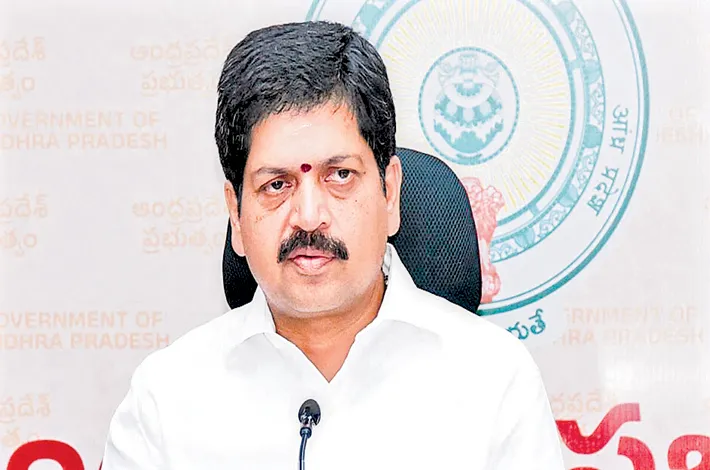
Excise Minister Kollu Ravindra said the coalition government has brought revolutionary changes in the Excise Department in just two years. “We are prioritising people’s health and ensuring transparency. Unlike the past, when spurious liquor was sold openly, every batch is now thoroughly tested at multiple stages. We have taken strong action against brand mixing and other malpractices,” the Minister said.