1 September, 2026 | 2:45 AM


Exporters seek budget support to boost shipments
23-01-2026 12:00:00 AM
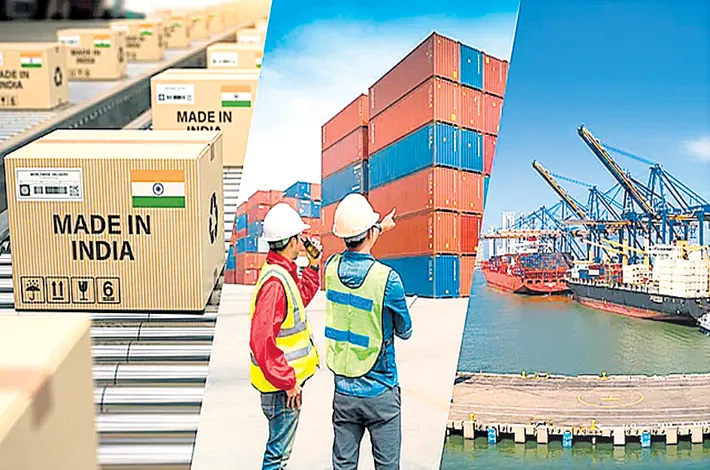
The apparel sector, hit by US tariff shocks, called for fiscal incentives, interest subsidies, reduced GST on textile machinery, and technology upgradation schemes for micro units.
Ahead of the 2026-27 Union Budget, exporters have urged measures like tax incentives, import duty rationalisation, and support for branding and marketing to enhance India’s global trade competitiveness. The Federation of Indian Export Organisations (FIEO) pointed out that inverted customs duties—where raw materials and components attract higher levies than finished products—raise production costs and discourage domestic manufacturing.
FIEO cited textiles, where synthetic yarns face higher duties than garments, electronics, where components are costlier than finished products, and chemicals, plastics, and leather sectors facing similar anomalies. It suggested lowering or restructuring input duties to ease working capital pressures and boost export competitiveness.
The body also recommended building global-scale shipping lines, access to long-term finance, and viability gap funding to reduce reliance on foreign freight, which exposes exporters to high costs and supply disruptions. It proposed extending the 15 per cent concessional corporate tax rate for new domestic manufacturing units for another five years.
The apparel sector, hit by US tariff shocks, called for fiscal incentives, interest subsidies, reduced GST on textile machinery, and technology upgradation schemes for micro units. Leather, footwear, and sports goods industries requested duty cuts on key raw materials, while seafood exporters suggested feed subsidies, timely tax refunds, and rationalisation of RoDTEP rates.
Deloitte India highlighted global protectionism, tariff hikes, and non-tariff barriers as challenges, stressing support for MSMEs, export credit, concessional financing, and critical mineral exploration. Merchandise exports from April-December 2025-26 rose 2.44 per cent to USD 330.29 billion, while imports grew 5.9 per cent to USD 578.61 billion, leaving a trade deficit of USD 248.32 billion.