21 September, 2026 | 12:01 AM


Fatty liver fuels diabetes and heart disease risk
31-12-2025 12:24:09 AM
HEMA SINGULURI | Hyderabad
Often ignored or dismissed as a mild and reversible condition, fatty liver disease is far from harmless, warn doctors. Medical experts say it is one of the most overlooked drivers of modern lifestyle diseases, quietly triggering a range of serious health problems.
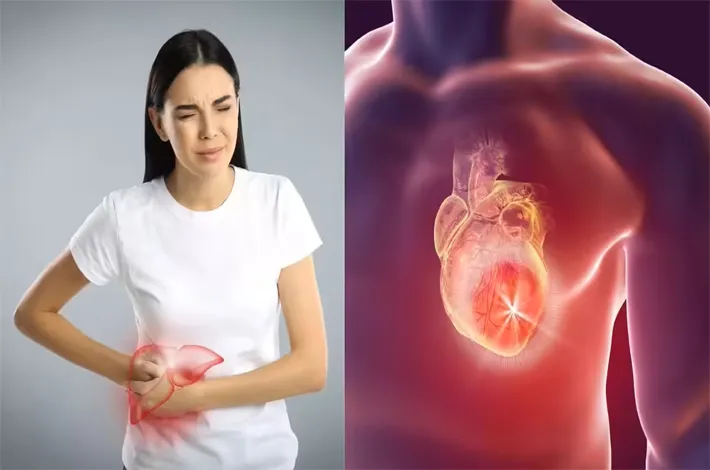
Doctors caution that fatty liver is not just a liver-related issue but a central metabolic disorder that can lead to diabetes, heart disease, high blood pressure, kidney damage and even stroke—often years before any symptoms appear. When more than five per cent fat accumulates in the liver, it is classified as fatty liver disease. Though it may initially seem insignificant, its impact on the body’s metabolic system can be severe.
The liver plays a vital role in processing food and regulating insulin, the hormone that allows sugar to enter cells and be used for energy. When fat builds up in liver cells, insulin cannot function effectively. As a result, the body demands more insulin to achieve the same effect, forcing the pancreas to work harder. Over five to ten years of excess insulin production, the pancreas begins to weaken. Eventually, insulin levels fall, energy utilisation becomes inefficient and diabetes develops.
Doctors say this challenges the common belief that diabetes begins only with sugar consumption. In many cases, they explain, diabetes is rooted in liver dysfunction.
Another frequent finding is high cholesterol. Patients often seek treatment for elevated cholesterol levels, but doctors note that few ask why cholesterol has increased in the first place. When the liver is overloaded with fat, it releases excess fat into the bloodstream. This circulating fat gets deposited across the body, stiffening arteries and leading to high blood pressure. Fat accumulation in the heart raises the risk of heart attacks, while deposits in the gallbladder can cause stones. Fat infiltration may also impair kidney function and increase the risk of stroke when it affects the brain.
“Step by step, fatty liver causes far more damage than it appears. It is a clear marker of metabolic syndrome,” says Dr. Ravula Phani Krishna, Senior Consultant Surgical Gastroenterologist at KIMS Hospitals, Kondapur.
He explains that fatty liver has two major consequences: one directly affecting the liver and the other triggering metabolic conditions such as heart disease, increased infection risk and stroke. Dr. Krishna adds that Non-Alcoholic Fatty Liver Disease (NAFLD) now affects more than one-third of the global population. If left unchecked, it can progress to end-stage liver disease, liver failure and even liver cancer.
Despite the seriousness of the condition, doctors stress that lifestyle modification remains the key to reversal. According to Dr. Krishna, the only proven and effective way to treat fatty liver is through dietary correction and sustained lifestyle changes. Early detection and timely intervention, experts emphasise, can prevent a cascade of chronic diseases that may otherwise emerge years later.