11 September, 2026 | 12:16 AM


Food, energy risks may lift inflation to 5%
04-06-2026 12:00:00 AM
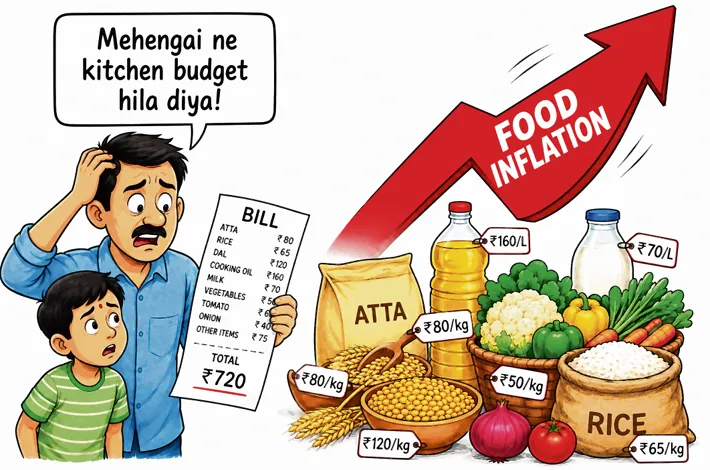
Potential El Niño conditions and mounting input costs could complicate efforts to maintain price stability in coming months
Commodity Desk
MUMBAI
India's retail inflation could rise to 5% in FY27, driven by higher food and energy prices, while core inflation is expected to remain relatively stable at around 4.5%, according to a report by Bank of Baroda.
The report highlighted a recent increase in domestic price pressures. Retail inflation averaged around 3.1% during the January-March 2026 quarter but rose to 3.48% year-on-year in April 2026. The increase was largely led by food inflation, which climbed to 4.2% in April from 3.2% in the previous quarter. Core inflation, excluding food and fuel, remained broadly steady at 3.7%.
Wholesale inflation also accelerated sharply, touching a more than three-year high of 8.3% in April, compared with an average of 2.6% during the preceding quarter. The surge was mainly driven by rising fuel costs and higher prices of manufactured products.
According to the report, food inflation pressures are becoming more widespread. Categories such as meat, fish, seafood, fruits, edible oils and processed food products have witnessed price increases.
Global prices of energy, food and fertilisers have also remained elevated, posing an upside risk to domestic inflation, particularly for edible oils and pulses.
The report noted that perishable commodities, including fruits and vegetables, may see further price increases in the near term due to summer-related supply pressures and extreme heat conditions across northern and central India.
On the policy front, higher Minimum Support Prices (MSPs) and strong government procurement helped wheat purchases reach a four-year high. Public foodgrain stocks stood at more than three times the buffer requirement at the end of March 2026, providing the government with flexibility to allocate 5.2 million tonnes of rice for ethanol blending and partially ease wheat export restrictions. Despite the comfortable stock position, the report flagged weather-related risks as a major concern. The possible emergence of an El Niño weather pattern during the upcoming kharif season could affect rainfall and agricultural output.
Rainfall is expected to remain below normal in several crop-producing regions across northwest, central and southern India.
Around 40% of the country's crop production comes from the Monsoon Core Zone, where rainfall coverage could be lower this year.
The report warned that deficient rainfall, lower soil moisture and inadequate reservoir levels could hurt production of rain-fed crops such as pulses, oilseeds, coarse cereals and spices, potentially adding fresh inflationary pressures in FY27.
(With inputs from ANI)