12 October, 2026 | 8:16 PM


Food testing labs expand to boost exports
12-02-2026 12:00:00 AM
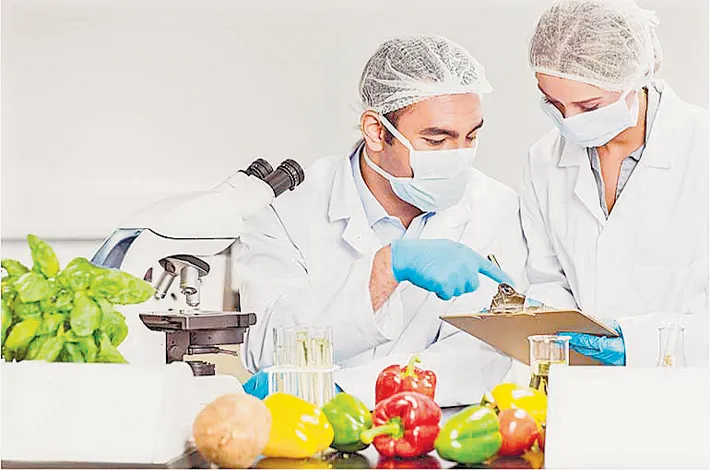
India is expanding its food safety infrastructure with modern testing laboratories to strengthen exports and protect domestic consumers, amid rising concerns over quality lapses flagged in inspections and global markets.
Regulatory data has shown that in some states nearly one in five food samples fail basic safety standards, while several spice consignments and agricultural products have faced rejection abroad over contamination and residue violations. In response, the government is accelerating the rollout of advanced testing facilities and accreditation systems to tighten oversight of both domestic and imported food products.
A key role is being played by the National Institute of Food Technology Entrepreneurship and Management (NIFTEM) campuses at Kundli and Thanjavur. Their laboratories are equipped with high-end analytical tools such as LC-MS/MS, GC-MS/MS, ICP-MS and ICP-OES to detect pesticide residues, heavy metals, mycotoxins, veterinary drug residues, allergens and microbial contaminants. The labs provide regulatory testing, nutritional profiling, trace analysis and shelf-life studies, and are accredited under ISO/IEC 17025 standards to ensure global acceptance of results.
Under the Food Safety and Quality Assurance Infrastructure scheme of the Pradhan Mantri Kisan Sampada Yojana, financial assistance is being provided to establish NABL-accredited laboratories closer to production and export hubs. Mobile food testing labs are also being deployed to enable rapid on-site checks in remote areas.