15 September, 2026 | 2:51 AM


Free health check-ups to 62.65 lakh children
31-07-2026 12:00:00 AM
- The programme will cover 20.95 lakh children below six years attending Anganwadi centres and 41.70 lakh students aged 6-18 years studying in government and aided schools
- Rashtriya Bal Swasthya Karyakram (RBSK) 2.0 to include 38 health conditions
Metro India News | AMARAVATI
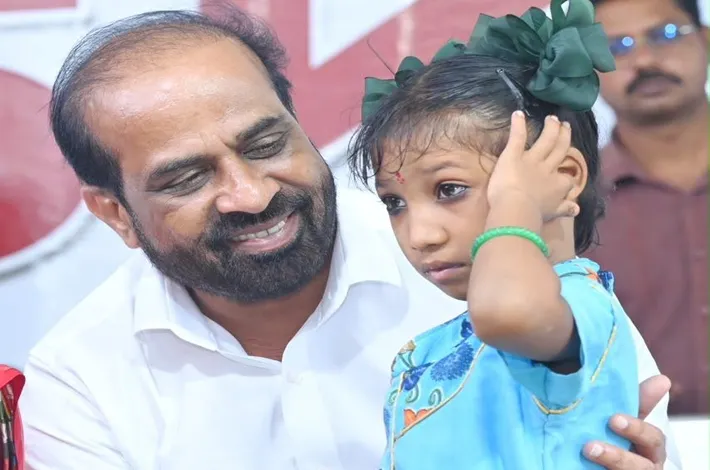
Andhra Pradesh on Thursday launched Rashtriya Bal Swasthya Karyakram (RBSK) 2.0, a comprehensive child health screening programme that aims to provide free health check-ups to 62.65 lakh children across the state. The programme was formally inaugurated by Health Minister Satya Kumar Yadav at the Musurumilli Tribal Ashram High School in Rampachodavaram, marking what the government described as the country’s first state-level rollout of the upgraded initiative.
The programme will cover 20.95 lakh children below six years attending Anganwadi centres and 41.70 lakh students aged 6-18 years studying in government and aided schools. Besides screening for congenital defects, diseases, nutritional deficiencies and developmental delays, RBSK 2.0 has expanded its scope to include 38 health conditions, adding lifestyle-related disorders such as high blood pressure, diabetes, obesity, kidney and urinary disorders, mental health concerns, sleep-related issues and excessive mobile phone usage.
The Health Minister said the objective was to identify health problems at an early stage and provide free treatment before they become serious. Children diagnosed with medical conditions will be referred to government hospitals, district-level child treatment centres or higher medical institutions, with follow-up continuing until treatment is completed.
The state currently operates 34 District Early Intervention Centres (DEICs), which have treated nearly 4.85 lakh children over the past two years. During the same period, 3,214 surgeries were performed under the programme.
As part of a parallel initiative, the government will conduct vision screening for 43.30 lakh students and provide free spectacles to 2.5 lakh children with visual impairment. An allocation of Rs 7 crore has been made for the programme.
The minister also highlighted efforts to strengthen adolescent health services under the Rashtriya Kishor Swasthya Karyakram (RKSK), with 1,317 Adolescent Friendly Health Clinics and over 61,500 peer educators supporting awareness on physical, mental and reproductive health.