5 October, 2026 | 11:53 PM


Fuel crisis deepens in Andhra Pradesh, aquaculture and farming sectors bear the brunt
29-04-2026 12:00:00 AM
Metro India News | AMARAVATI
The ongoing fuel shortage in Andhra Pradesh has begun to ripple across key economic sectors, with aquaculture, agriculture, and transport systems facing severe disruption. What began as sporadic supply gaps has now escalated into a full-blown crisis in several districts, leaving farmers, transporters, and daily commuters struggling to sustain operations.
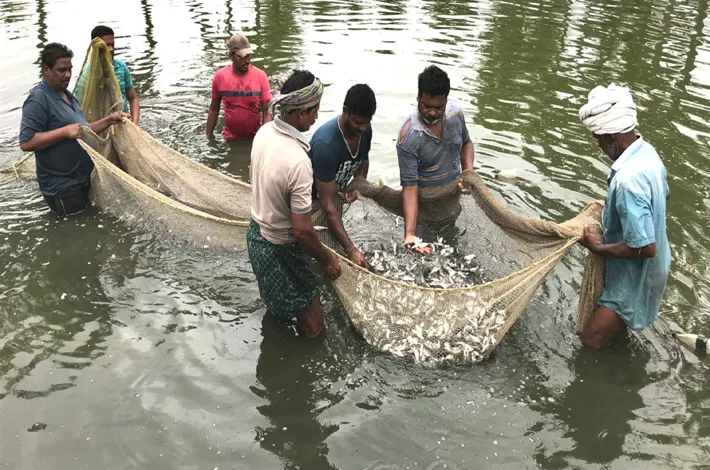
Nowhere is the impact more visible than in the state’s thriving aquaculture belt. In districts like West Godavari, East Godavari, and Krishna, aqua farmers are grappling with an unprecedented challenge. Aerators, critical machines that maintain oxygen levels in shrimp ponds, have fallen silent due to lack of diesel. Without continuous oxygen supply, shrimp seed stocked with heavy loans faces the risk of mass mortality within hours.
“If the aerators stop, the shrimp will die. We have invested lakhs on credit. We are literally begging for diesel,” said an aqua farmer, describing how some are even pleading at fuel stations, offering as much as Rs 500 per litre in desperation. The distress is palpable, as a single day’s disruption can wipe out months of investment.
The agricultural sector is facing a similar crisis. With the Rabi harvest in full swing, diesel-powered harvesters and irrigation pumps have come to a standstill in several areas. Farmers report that harvesting operations are being delayed, increasing the risk of crop damage and financial loss. In many villages, limited fuel availability has forced rationing, with farmers unable to secure sufficient diesel to run machinery even for a few hours.
Transport services have also taken a hit. Private bus operators, goods carriers, and auto drivers are either cutting down trips or halting operations altogether due to uncertainty in fuel supply. This has disrupted supply chains, particularly affecting the movement of essential commodities and agricultural produce. Passengers are facing longer wait times and higher fares as operators attempt to offset losses.
Speaking to Metro India, B. Poorna, a truck operator, said, “Our trucks are idle because we cannot get diesel on time. Even when available, we are forced to buy in small quantities. Deliveries are getting delayed, and clients are complaining. If this continues, transport costs will go up and it will affect prices of essential goods.”
The state government has stepped in with emergency reviews and directives to streamline supply, but on the ground, relief remains uneven. As the crisis continues, stakeholders warn that prolonged disruption could have lasting consequences on Andhra Pradesh’s rural economy, especially aquaculture, which is a major export-driven sector.