21 September, 2026 | 1:00 AM


Growing number of patients diagnosed with disorders after receiving abnormal alerts
07-06-2026 12:00:00 AM
Metro India News | Hyderabad
A smart-watch notification "Your heart rhythm may be irregular." would, most probably be dismissed as a device error, stress, or lack of sleep. But for a growing number of patients, such alerts are proving to be the first warning sign of a potentially serious heart condition. Cardiologists at CARE Hospitals say they are increasingly seeing patients seek medical consultation after receiving abnormal heart rhythm notifications on their smartwatches or fitness trackers.
As the world observes World Heart Rhythm Week 2026 (June 1–7), specialists are urging people not to ignore symptoms such as palpitations, rapid heartbeat, dizziness, unexplained fatigue, breathlessness or smart-watch notifications indicating irregular heart rhythms. This year's theme, "Your Heart, Your Rhythm, Your Story," highlights the importance of recognizing changes in heart rhythm early and seeking timely medical care.
Among the most common heart rhythm disorders is Atrial Fibrillation (AF), a condition in which the heart beats irregularly and often rapidly. If left untreated, it can increase the risk of stroke nearly five-fold. Experts note that heart rhythm disorders are no longer limited to older adults. Rising stress levels, sedentary lifestyles, hypertension, diabetes, obesity, sleep disorders and other cardiovascular risk factors are contributing to an increasing number of cases among younger and middle-aged individuals.
Doctors at CARE Hospitals recently treated a 42-year-old IT professional who had been experiencing episodes of rapid heartbeat, dizziness and fluttering sensations in his chest for several months. The episodes gradually became more frequent until he suddenly collapsed at home and was rushed to the emergency department. Further evaluation revealed a serious heart rhythm disorder requiring specialized electrophysiology treatment. Following timely intervention, his heart rhythm was successfully restored, and he recovered well.
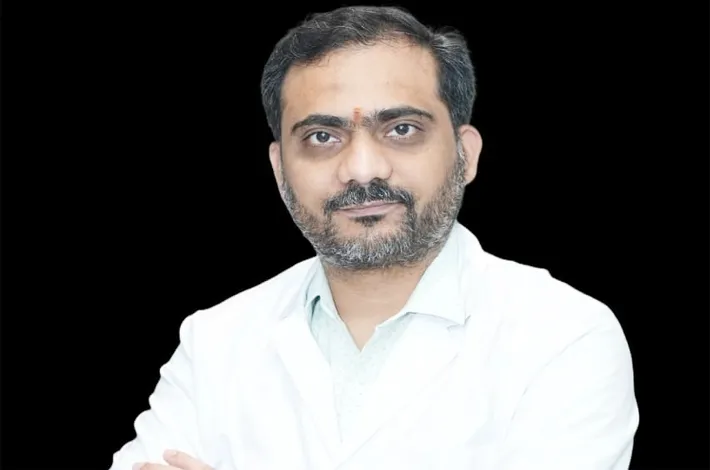
Dr. Ramakrishna SVK, Clinical Director – Cardiac Electrophysiology, CARE Hospitals, Banjara Hills mentioned that heart rhythm disorders are more common than many people realize. Symptoms such as irregular heartbeat, dizziness, blackouts, unexplained fatigue or breathlessness should never be ignored and early diagnosis is critical because many arrhythmias can be effectively managed or cured , he emphasized.
Dr. Ramakrishna SVK, Clinical Director – Cardiac Electrophysiology, CARE Hospitals, Banjara Hills