6 October, 2026 | 5:02 PM


Heat wave takes a toll on agri-sector
01-05-2026 12:00:00 AM
metro india news I hyderabad
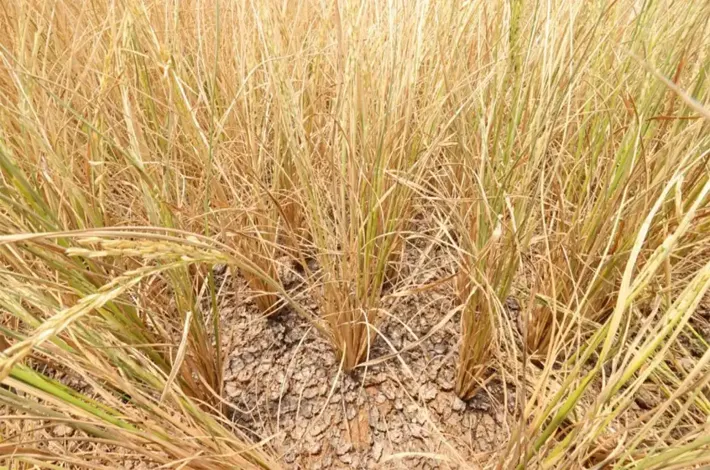
The on-going heat wave across Telangana is taking a toll on farmers and the agri-sector. Rising temperatures and water scarcity is damaging crops and accelerating soil moisture loss, leading to drying conditions and reduced crop vitality.
Paddy fields, especially those in the flowering stage, are highly vulnerable. Excessive heat during this phase disrupts grain formation, often resulting in poor or incomplete yield development. Maize crops are also experiencing stunted growth and reduced productivity due to heat stress. Pulses such as green gram, black gram, and soybean are showing widespread drying symptoms, particularly in rain-fed and low-irrigation areas. Cotton crops are affected as well, with reports of flower drop and poor boll formation.
Agricultural experts warn that even a small rise above optimal temperature levels can significantly reduce crop output. In several regions, the combination of dry winds and heat stress is worsening field conditions. Farmers have been advised to adopt protective measures such as timely irrigation, mulching to retain soil moisture, and use of heat-tolerant crop varieties to minimize damage.
According to studies by the World Health Organization (WHO) and the World Meteorological Organization (WMO), approximately 1.6 billion outdoor workers worldwide are exposed to high heat risks. Among them, nearly 1 billion people across 77 countries, including India, face significantly higher vulnerability to extreme heat conditions.
Alarmingly, reports from Sustainable Energy for All indicate that extreme heat causes an estimated 545,000 deaths globally every year. Experts warn that rising global temperatures are not only a regional concern but a growing worldwide public health emergency, especially for labor-intensive populations exposed to prolonged outdoor heat.
As heatwave conditions persist, both state authorities and health agencies continue to emphasize preventive care, public awareness, and urgent climate adaptation measures to reduce long-term risks.
Daytime temperatures in several districts have been consistently crossing 40°C, with some areas touching up to 46°C. The extreme heat is becoming more severe during mid-morning hours itself, forcing people to limit outdoor activity.
The India Meteorological Department (IMD) has issued heatwave alerts for multiple districts, including Jagitial, Adilabad, and Nirmal, while an orange alert remains in effect across the state.
Key temperature readings have highlighted the intensity of the situation. Ramagundam recorded 45.9°C, Munugode 45.8°C, Dharmapuri 45.4°C, Bela and Dasturabad 45.3°C each, while Choppadandi and Koheda reported 45.2°C. Most other districts are also witnessing temperatures between 42.4°C and 44.9°C, indicating widespread heat stress conditions.
Meteorologists suggest that abnormal warming patterns linked to the El Niño phenomenon are contributing to the severity and early onset of the heat wave. While southern India is experiencing moderate effects compared to central regions, Telangana continues to record significantly above-normal temperatures this season.