3 October, 2026 | 9:11 AM


India Needs Political Hanumans
03-04-2026 12:08:16 AM
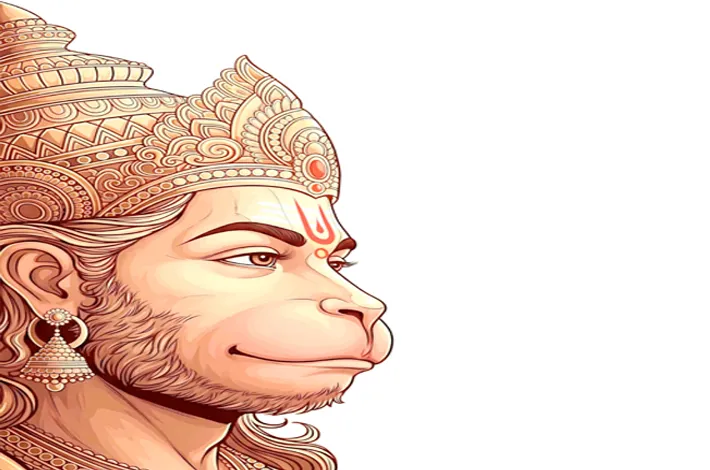
Why Leaders Must Embody Lord Hanuman’s Timeless Virtues
metro india news I hyderabad
As India grapples with the complex challenges of rapid urbanisation, economic inequality, climate stress and geopolitical tensions, a growing chorus of voices—from political commentators to ordinary citizens—is calling for a radical shift in leadership. The demand is not for superheroes, but for “Political Hanumans”: elected representatives who mirror the virtues of Lord Hanuman, the divine Vanara warrior from the Ramayana. In an era where public trust in politicians is eroded by allegations of corruption, dynastic entitlement and short-term populism, Hanuman’s qualities offer a blueprint for dedicated, committed and selfless governance that could transform the nation’s future.
Lord Hanuman is revered across India not merely as a mythological figure of immense physical strength, but as the embodiment of ideal service, loyalty and moral clarity. His life, chronicled in Valmiki’s Ramayana, is a masterclass in leadership without ego. At a time when many politicians appear driven by personal ambition or party loyalty over national interest, emulating Hanuman could produce leaders who place duty above self. Here are the core virtues that make the case compelling.
First, unwavering devotion and loyalty. Hanuman’s bhakti towards Lord Rama was absolute; he crossed oceans, moved mountains and risked everything not for personal glory but for his master’s cause. In politics, this translates to unflinching commitment to the Constitution and the people’s welfare. A “Political Hanuman” would treat national development—be it infrastructure projects like Bharatmala or poverty alleviation schemes—as a sacred duty rather than a photo-opportunity. Unlike leaders who switch sides for ministerial berths or indulge in horse-trading, such politicians would remain loyal to their oath of office, prioritising long-term national goals over electoral cycles. India’s democracy would gain stability if MPs and MLAs displayed Rama-like devotion to the public mandate rather than to power brokers.
Second, immense strength and courage. Hanuman lifted the Sanjeevani mountain to save Lakshmana and single-handedly set Lanka ablaze. This physical and mental fortitude symbolises the courage required to confront hard truths. Today’s India faces formidable obstacles: agrarian distress, youth unemployment hovering near 15 per cent in several states, and border security concerns. Courageous leaders would make unpopular but necessary decisions—such as aggressive judicial reforms, transparent defence procurement or bold environmental policies—without fear of backlash or electoral loss. Hanuman did not hesitate; neither should politicians who claim to serve 1.4 billion citizens. Strength here is not muscle but moral spine—the willingness to say “no” to crony capitalism or divisive politics that weaken the republic.
Third, selflessness and service (seva). Hanuman never sought a kingdom or throne. He remained Rama’s humble servant even after victory. This quality is perhaps most absent in contemporary politics, where netas often amass wealth disproportionate to their declared incomes. A selfless Political Hanuman would view public office as an opportunity for seva, not self-enrichment. Imagine ministers who voluntarily declare assets annually, reject post-retirement sinecures and prioritise public health over private hospitals. Selfless leadership would accelerate schemes like Ayushman Bharat and PM-KISAN by ensuring funds reach beneficiaries without leakage. The country’s GDP growth target of 8 per cent-plus would be more achievable if leaders measured success by outcomes for the last person in line, not by the size of their rally crowds.
Fourth, humility despite power. Despite possessing god-like abilities, Hanuman always bowed before Rama and credited divine grace for his feats. In contrast, many modern politicians cultivate personality cults, with cut-outs taller than buildings and slogans that border on deification. Humility would foster collaborative governance—coalition-building without ego clashes, listening to opposition voices on critical bills, and acknowledging administrative failures publicly. A humble leader would empower civil servants and local bodies rather than centralising power, strengthening federalism and grassroots democracy. Humility also builds trust: citizens are more likely to pay taxes and follow rules when they see leaders living simply, as Hanuman did in the forest.
Fifth, wisdom, intelligence and strategic thinking. Hanuman was not merely brawny; he was a master strategist who disguised himself as a messenger, built alliances with Sugriva’s army and located Sita through clever reconnaissance. In 2026’s knowledge economy, politicians need this intellect to navigate AI disruption, semiconductor self-reliance and climate adaptation. Hanuman-like wisdom would mean evidence-based policy-making—consulting domain experts, investing in education and R&D rather than short-cut subsidies. It would also mean ethical intelligence: rejecting fake news, communal polarisation or vote-bank politics that fracture social harmony.
Sixth, discipline and moral integrity (brahmacharya). Hanuman’s celibacy and control over senses represent discipline. Politicians who internalise this would uphold probity—avoiding nepotism, sexual misconduct scandals and financial impropriety. Discipline would ensure they remain accessible 24×7, as Hanuman was ever-ready for duty, rather than vanishing after elections.
Finally, perseverance and optimism. Even when Lanka seemed unconquerable, Hanuman never despaired. India’s journey towards Viksit Bharat by 2047 demands leaders who persist through setbacks—pandemic recovery, global supply-chain shocks or natural disasters. Optimistic Hanumans would inspire rather than divide, turning challenges into opportunities for Atmanirbhar Bharat.
The Ramayana teaches that true power lies in service, not dominance. As India stands at the cusp of becoming the world’s third-largest economy, it does not need more orators or dynasts. It needs Political Hanumans—dedicated, committed and selfless leaders whose every action strengthens the nation.