21 October, 2026 | 4:31 PM


India’s sewage, breeding ground for superbugs
25-01-2026 12:00:00 AM
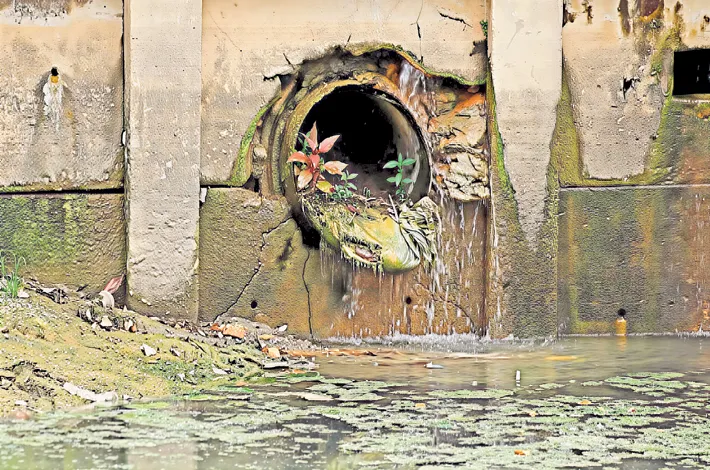
Urban sewage in India is now threatening the spread of diseases both locally and globally. Polluted city environments and sewage are confirmed hotspots where antibiotic residues and microbes mix, driving the evolution and spread of drug-resistant “superbugs” through water, sludge, and even air, posing a serious global health threat.
Scientists warn that India’s rapidly expanding cities are becoming invisible laboratories where bacteria learn to defeat modern medicine. Studies conducted between 2024 and 2026 across urban sewage systems reveal alarming concentrations of antibiotic residues and resistance genes, signaling an accelerating antimicrobial resistance (AMR) crisis.
A major multi-institutional study involving India’s BRIC–Translational Health Science and Technology Institute (THSTI), the University of Cambridge, the University of Calcutta, and the National Institute of Pharmaceutical Education and Research (NIPER–Guwahati) uncovered direct genetic links between bacteria in urban drains and pathogens responsible for hard-to-treat hospital infections.
Researchers analyzed 381 wastewater samples collected between June and December 2023 from states including Haryana, West Bengal, and Assam. Using QTRAP mass spectrometry, they measured concentrations of 11 commonly used antibiotics. Antibiotics such as kanamycin and azithromycin were detected in more than half of the samples, often at levels high enough to encourage bacteria to develop resistance rather than die.
Further DNA sequencing using 16S rRNA analysis and shotgun metagenomics revealed over 170 distinct antibiotic resistance genes, many enabling bacteria to survive even last-resort drugs. Experts explain that sewage systems create ideal conditions for bacterial evolution, allowing microbes to exchange resistance genes through horizontal gene transfer via mobile genetic elements.
The World Health Organization (WHO) recognizes antimicrobial resistance as a top global health risk. India faces heightened vulnerability due to high population density, inadequate wastewater treatment, overuse of antibiotics, and rapid urbanization. Scientists warn that without urgent intervention, sewage-driven superbugs could undermine decades of medical progress. Strengthening wastewater treatment, regulating pharmaceutical disposal, curbing unnecessary antibiotic use, and monitoring environmental resistance patterns are now critical steps. The battle against superbugs is no longer confined to hospitals—it is unfolding beneath our cities, quietly shaping the future of global health.