29 October, 2026 | 4:28 AM


Is China’s skills strategy challenging India?
29-10-2026 12:00:00 AM
Metro India News | Hyderabad
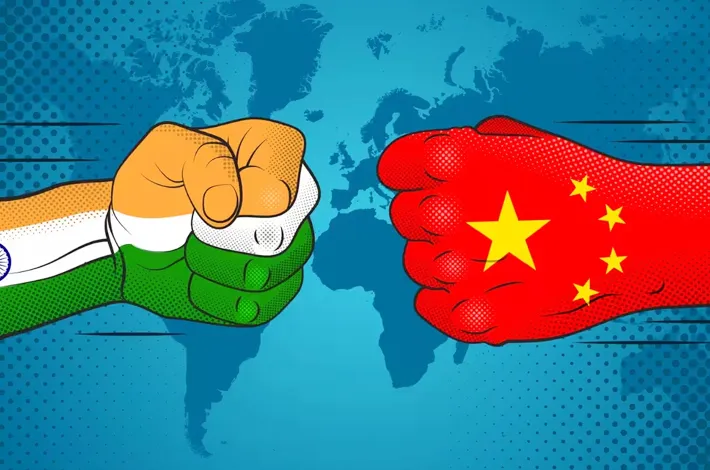
China’s latest initiative to establish global standards for vocational and technical education has raised concerns about India’s ambitions to become a leading supplier of skilled workers to the international job market. Experts believe India must act quickly to ensure its qualifications remain recognized and competitive worldwide. China recently unveiled what it describes as the world’s first Framework of World Vocational and Technical Education Standards at the World Vocational and Technical Education Development Conference in Tianjin.
The framework aims to promote mutual recognition of vocational qualifications across countries, potentially influencing how employers assess skills and how training institutions design their programs. China’s strength lies not only in its proposed framework but also in the scale of its vocational education system. The country produces more than 10 million skilled workers annually and operates 38 Luban Workshops across 32 countries. These overseas training centres have reportedly trained nearly 200,000 people, strengthening China’s international presence in vocational education.
India faces strategic challenge
Dr Abhay Jere, former vice-chairman of the All India Council for Technical Education, warns that India could face difficulties if China’s framework becomes the preferred international standard. India has been working to establish itself as a global hub for skilled labor, leveraging its large young population and expanding digital infrastructure.
It has signed skill mobility and mutual-recognition agreements with several countries, including Germany, Japan, Israel and Denmark. The Skill India Digital Hub has also crossed 1.5 crore registrations. However, India’s approach relies heavily on bilateral agreements, which can take considerable time to negotiate. China’s proposed multilateral framework could offer countries a common set of standards, making it easier for them to adopt a single system.
If other nations align their vocational qualifications with China’s framework, Indian certificates may require additional verification or equivalence procedures, potentially affecting the overseas employment prospects of Indian workers.
Five steps India should consider
To protect its interests, India should revive the G20 commitment made during its 2023 presidency to explore an international reference classification of occupations based on skills and qualifications. Jere suggests that India work with the International Labour Organization and the Organization for Economic Co-operation and Development to develop an open, internationally accepted system.
India should also collaborate with countries across the Global South to create a shared competency framework aligned with its National Skills Qualifications Framework. Another priority is developing an interoperable digital public infrastructure for skills. Such a platform could map qualifications across countries, identify global employment trends and allow employers to verify workers’ credentials quickly and securely.
Making Indian skill certificates digitally verifiable and portable would further simplify international recruitment. Establishing Skill India training centers in partner countries could also strengthen India’s presence in overseas labor markets. The emerging competition, Jere argues, is not merely about training more workers but about determining which standards the world recognizes.
India must therefore move swiftly to develop an inclusive, reliable and globally accepted skills ecosystem before another country’s framework becomes the international benchmark.
-Manohar Mahavadi