29 October, 2026 | 12:40 AM


Treated water for parks, roads, buildings
29-10-2026 12:00:00 AM
Metro India News | Hyderabad
Chief Minister A. Revanth Reddy has directed civic authorities in the Greater Hyderabad limits to ensure the supply of treated water for all non-potable purposes from November 1.
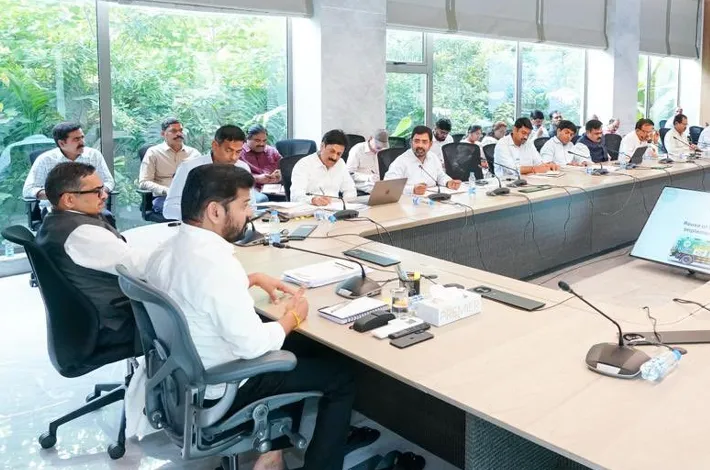
At a review meeting on sewage treatment plants (STPs) and the utilisation of treated water on Wednesday, the Chief Minister instructed officials to supply treated water for landscaping at government offices, including the State Secretariat and the Chief Minister’s camp office, road cleaning along the Outer Ring Road (ORR), public parks and data centres.
He directed officials to incorporate mandatory use of treated water for non-drinking purposes into the building permit approval process.
Emphasising the need to improve the functioning of STPs, Revanth Reddy called for the use of artificial intelligence (AI) technology in their operations. He also ordered the appointment of a special officer to monitor the quality of treated water and directed officials to integrate all STPs with the command and control centre.
The Chief Minister sought details of water requirements for the Railways and Metro Rail and instructed the authorities concerned to ensure that treated water was used for all non-potable needs.
He stressed the need for extensive public awareness campaigns on the use of treated water and directed officials to establish a toll-free number to handle enquiries and requests. He also called for a system to track treated-water tankers and empowered HYDRAA to monitor STPs.
In view of the rising demand for power, the Chief Minister asked officials to explore the feasibility of using solar energy to operate STPs and involve private agencies in setting up sewage treatment plants.
During the meeting, Water Board officials briefed the Chief Minister on the availability of drinking water. Revanth Reddy directed them to plan for future demand and take proactive measures to prevent any shortage. He stressed the need for continuous monitoring of the supply of fresh water to ensure uninterrupted availability.