7 October, 2026 | 10:57 PM


Justice Delayed is Justice Denied
21-03-2025 12:00:00 AM
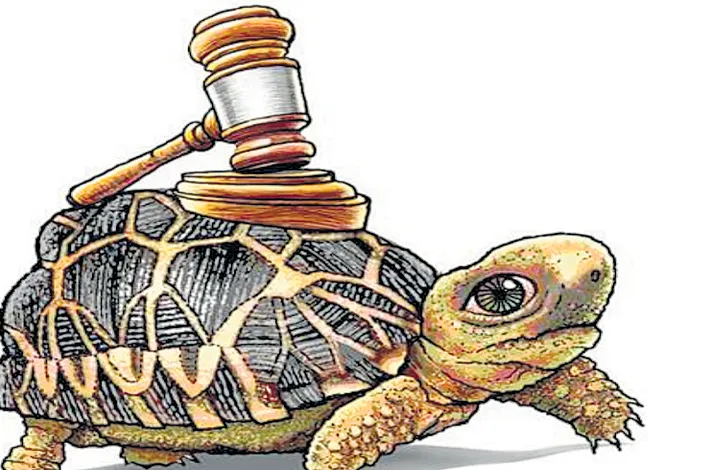
The need for precise legal charges is important to ensure justice to make our society safer for women and children
It’s natural to think that the more serious the charge, the harsher the punishment. But in the legal world, it’s not just about what happened—it’s about what can be proven. If a case is filed under a section that demands stronger evidence than what’s available, it gives the defense an easy opportunity to challenge the case. This can drag the trial on for years, causing frustration for the victim and her family
A recent ruling by the Allahabad High Court has brought an important issue to light—filing criminal charges under the right legal sections is crucial to ensuring justice. The case involved two men accused of assaulting a minor, initially charged with attempt to rape under Section 376 IPC. The court, however, ruled that their actions did not meet the legal definition of “attempt to rape” and modified the charges to Section 354(b) IPC (assault with intent to disrobe) and relevant sections of the POCSO Act.
At first glance, this might seem like the court went easy on the accused, but that’s not the case. It actually ensures they are tried under charges that match the evidence, increasing the chances of conviction. This judgment highlights something we often overlook—misclassifying crimes can lead to unnecessary delays, weak cases, and even acquittals
It’s natural to think that the more serious the charge, the harsher the punishment. But in the legal world, it’s not just about what happened—it’s about what can be proven. If a case is filed under a section that demands stronger evidence than what’s available, it gives the defense an easy opportunity to challenge the case. This can drag the trial on for years, causing frustration for the victim and her family.
In this case, the court pointed out a legal distinction: preparing to commit a crime is different from actually attempting it. The accused groped the victim, broke her pyjama string, and tried to drag her beneath a culvert. Disturbing? Absolutely. But under the law, this did not qualify as an attempt to rape, which requires clear intent and action beyond preparation.
By filing the case under the right sections, the court ensured that the accused wouldn’t walk free due to weak legal grounds. This isn’t about reducing punishment—it’s about making sure the punishment actually happens.
We’ve seen it happen too often—cases of sexual assault and harassment dragging on for years due to poor legal groundwork. Victims are forced to relive their trauma repeatedly, legal battles drain families, and social stigma silences many women from coming forward. When cases are poorly built from the start, they either get stuck in courts or, worse, lead to acquittals.
Justice isn’t just about severe laws—it’s about how effectively those laws are used. A strong legal framework means little if cases aren’t handled with precision. That’s why it’s so important for law enforcement and prosecutors to file the right charges from day one.
We often say that fear of punishment deters crime, but that’s only true if punishment is swift and certain. If perpetrators believe they can escape justice because of legal loopholes, delays, or weak charges, they will continue their crimes without fear.
This judgment is a wake-up call. It’s not just about one case—it’s about how our justice system works. Crimes against women and children need to be handled with urgency and accuracy. Every misstep, every misfiled charge, and every delay makes our system weaker and emboldens criminals.
The Allahabad High Court’s decision might seem technical, but it actually strengthens the case by ensuring a solid legal foundation. This is exactly what we need—not just strong laws, but smart and effective use of them. Justice isn’t just about big headlines and harsh sentences—it’s about making sure that every crime, big or small, is punished swiftly and appropriately. That’s the real way to make our society safer for women and children.
(Dr A L Sharda, Trustee, Population First)