27 September, 2026 | 8:09 PM


RTC workshops ignored, EV potential untapped
19-03-2026 12:00:00 AM
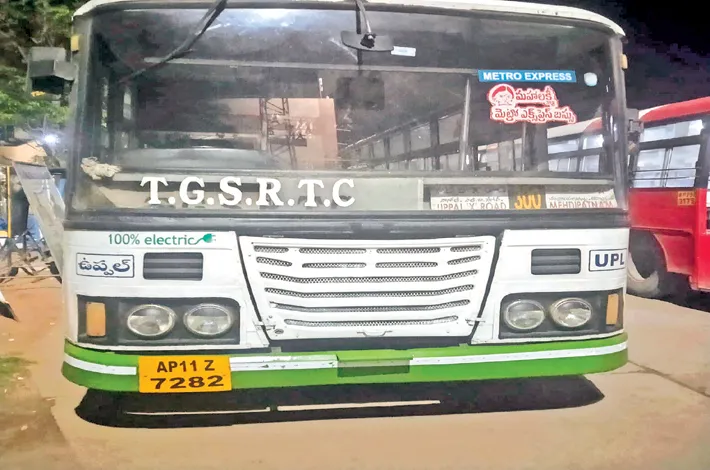
A bus that appears ordinary at first glance—AP 11 Z 7282—is in fact a successfully converted electric vehicle (EV), originally a diesel RTC bus. Around three years ago, with government approval and support from a private firm, the bus was fully transformed into an electric model. Since then, it has been operating smoothly from Uppal depot, maintained entirely by RTC staff and technicians. Notably, it is currently being used under the Mahalakshmi scheme, offering free travel for women, and continues to perform on par with corporate-manufactured EV buses.
The achievement highlights the technical strength of RTC workshops located in Miyapur, Uppal, and Karimnagar. These facilities once played a crucial role in bus manufacturing and refurbishment, with hundreds of skilled workers, engineers, and technicians contributing to the creation of high-quality buses. In the 1990s, even officials from Delhi studied the Miyapur workshop model, which was capable of producing buses that could compete with leading manufacturers like Ashok Leyland. Telangana’s RTC buses, known for their design, comfort, and durability, were largely products of these workshops.
However, the current situation paints a different picture. Over the years, these workshops have seen a steady decline in activity and workforce. For instance, the Miyapur workshop, which once employed nearly 400 technicians, now operates with barely 60. Similar conditions prevail in Uppal and Karimnagar. Despite having advanced machinery and the capability to build or repair buses, these facilities remain underutilized. Workers allege that the government has shifted focus towards private companies instead of leveraging in-house expertise, leading to growing dissatisfaction among staff.
At a time when the government is promoting environmentally friendly electric buses to reduce carbon emissions, RTC workshops remain sidelined. Instead of utilizing existing manpower and infrastructure, EV buses are being procured from private corporate firms and leased to RTC. Workers argue that the corporation has the capability to convert thousands of its diesel buses into EVs, which would significantly cut costs and reduce dependence on private players.
The successful trial of converting a diesel bus into an EV demonstrates that such transformation is feasible. According to technicians, with just 15 to 30 days of specialized training in modern EV technology, RTC staff can scale up production and conversion efforts. This approach would not only save leasing costs but also ensure that government grants—estimated at Rs 36 lakh per bus—directly benefit RTC.
Additionally, converting existing buses would strengthen job security within the corporation. Currently, private EV buses come with outsourced staff, including drivers and supervisors, limiting opportunities for RTC employees. By contrast, in-house EV conversion would allow RTC personnel to continue working on their own fleet, preserving livelihoods and institutional expertise.
Union leaders have urged both state and central governments to grant permission for large-scale EV conversion within RTC workshops. They also called for the release of Rs 2,500 crore due under the Mahalakshmi scheme, which could fund modernization and training. If supported, they believe RTC can revive its workshops, regain financial stability, and re-establish itself as a leader in public transport innovation.