20 October, 2026 | 4:48 PM


Lawyers chant ‘Shame, Shame’ over bail denial
03-09-2025 12:00:00 AM
metro india news I new delhi
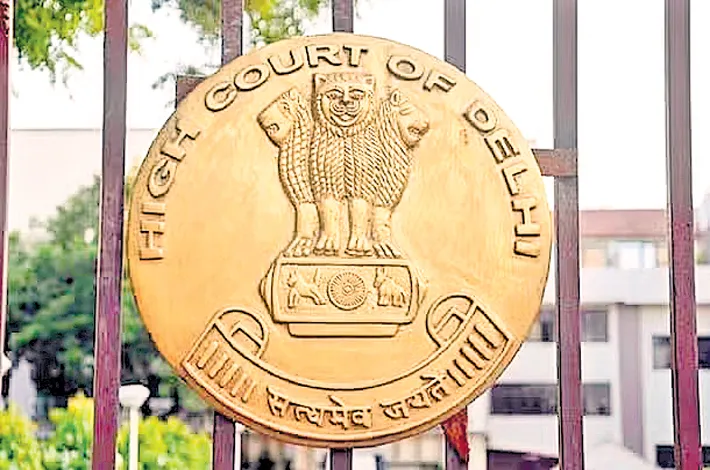
The Delhi High Court was rocked by a rare and dramatic scene on Tuesday when a group of lawyers raised slogans of "shame, shame" in the courtroom after a bench headed by Chief Justice DK Upadhyaya dismissed the bail petitions of Umar Khalid, Sharjeel Imam, and six others accused in the 2020 Delhi riots conspiracy case. The incident, which unfolded in the presence of senior advocates and court officials, has sparked widespread debate about judicial decorum and the emotional intensity surrounding high-profile cases.
The bench, comprising Chief Justice D.K. Upadhyaya and Justice Shalinder Kaur, was hearing bail applications in a case registered under the Unlawful Activities (Prevention) Act (UAPA) concerning the 2020 Delhi riots. The accused, including prominent activists Umar Khalid and Sharjeel Imam, have been in custody for over five years, with their bail pleas repeatedly denied across multiple benches. The petitioners sought relief, arguing prolonged detention and lack of substantial evidence against them. However, the court, after extensive hearings, dismissed the pleas, citing the serious nature of the allegations and the ongoing investigation's complexity.
As the bench pronounced its decision, declining to grant bail and adjourning further proceedings, a section of lawyers present in the courtroom erupted in protest. The chants of "shame, shame" echoed through the packed courtroom, with some advocates expressing frustration over what they perceived as a miscarriage of justice. The outburst was reportedly led by a group of senior counsels and joined by others, including junior advocates and representatives of the petitioners. The unprecedented display of dissent caught court staff and security off-guard, momentarily disrupting the proceedings.
Sources in the courtroom described the atmosphere as tense, with the judges briefly pausing before exiting as the slogans grew louder. One advocate, speaking anonymously, stated, "The decision to deny bail after such prolonged detention felt like a denial of fundamental rights. The chants were a spontaneous reaction to the frustration built up over years of delays." However, not all lawyers supported the protest. Senior advocate R.P. Luthra, present during the incident, condemned the sloganeering, urging colleagues to maintain judicial discipline. "This is a court of law, not a protest ground," he remarked, echoing sentiments of those who viewed the act as disrespectful to the judiciary.
The Delhi High Court Bar Association swiftly issued a statement condemning the incident, emphasizing the need to uphold the dignity of the institution. "Such behavior undermines the sanctity of the court and sets a dangerous precedent," the statement read, calling for disciplinary action against those involved. Several senior advocates, including Chetan Sharma and Anil Soni, urged the court to initiate contempt proceedings, citing the derogatory nature of the chants. The bench, however, has not yet commented on whether it will pursue contempt action, with sources indicating the matter may be referred to a judicial committee for review.
The incident draws parallels to a similar event in 2019, when lawyers chanted "shame, shame" in the Delhi High Court during a hearing related to violence at Jamia Millia Islamia University. That episode, too, had sparked controversy, with calls for stricter enforcement of courtroom decorum. Legal experts note that such outbursts, while rare, reflect the deep emotional and political stakes in cases involving civil liberties and public protests.
Social media platforms, particularly X, buzzed with reactions to the incident. Posts described the event as a "travesty of justice," with some users expressing solidarity with the lawyers' protest, while others criticized it as an attack on judicial authority. The polarized responses underscore the contentious nature of the Delhi riots case, which continues to evoke strong sentiments.
The dismissal of the bail petitions marks another chapter in the prolonged legal battle for Khalid, Imam, and others, with their cases now likely headed to the Supreme Court. As the judiciary grapples with balancing institutional decorum and public sentiment, the incident serves as a stark reminder of the challenges in navigating high-stakes cases in India’s polarized socio-political landscape.