22 October, 2026 | 5:56 AM


LPG production limits set, Reliance gets largest quota amid supply risks
17-08-2026 12:00:00 AM
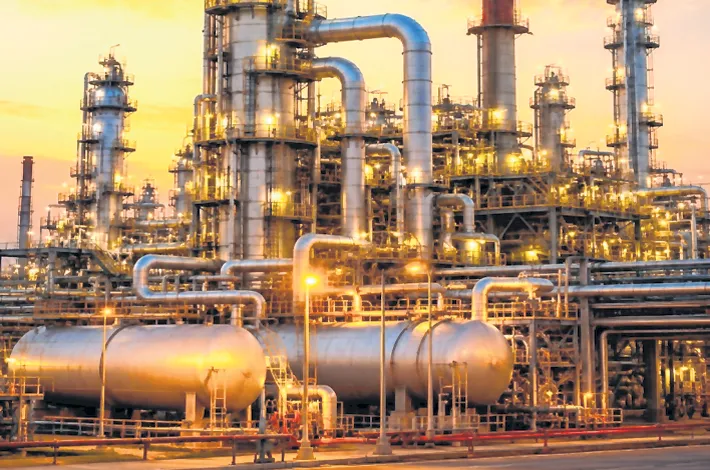
The government has, for the first time, fixed maximum LPG production targets for individual public and private refineries and upstream companies, seeking to strengthen domestic supplies after the West Asia conflict exposed India’s heavy dependence on imports, PTI reported on Sunday. Under a Petroleum and Natural Gas Ministry order, 21 refineries and upstream companies have been assigned combined production potential of 63,810 tonnes a day.
Reliance leads: Reliance Industries’ 33-million-tonne-a-year domestic-tariff area refinery at Jamnagar has received the largest allocation, at up to 18,000 tonnes daily. No target has been assigned to its 35.2-million-tonne export-only refinery at the same site. Eighteen public-sector refineries have been assigned a combined 31,470 tonnes a day, while Rosneft-backed Nayara Energy’s Vadinar refinery has a 4,480-tonne target. Upstream producers and processors, including ONGC and GAIL, have collectively been assigned 6,460 tonnes daily.
Import exposure: India consumed 33.2 million tonnes of LPG in 2025-26, equivalent to roughly 91,000 tonnes daily. Domestic production stood at 13.1 million tonnes, or about 35,900 tonnes a day, while imports reached 21.3 million tonnes, or 58,400 tonnes daily. That left India more than 64% import-dependent. About 90% of imports came from countries including Saudi Arabia through the Strait of Hormuz, leaving supplies vulnerable when the Iran conflict disrupted the shipping route.
During the crisis, domestic production was raised to about 55,000 tonnes daily, while household supplies were prioritised and industrial and commercial deliveries restricted. Supply buffer: The new framework requires companies to maintain adequate LPG storage, evacuation and transport infrastructure and undertake economically viable upgrades, including naphtha-to-LPG conversion. The government can order producers to increase output when necessary to protect domestic availability and fair pricing.