21 October, 2026 | 2:19 AM


Middle East crisis may hit India’s oil prices
02-03-2026 12:00:00 AM
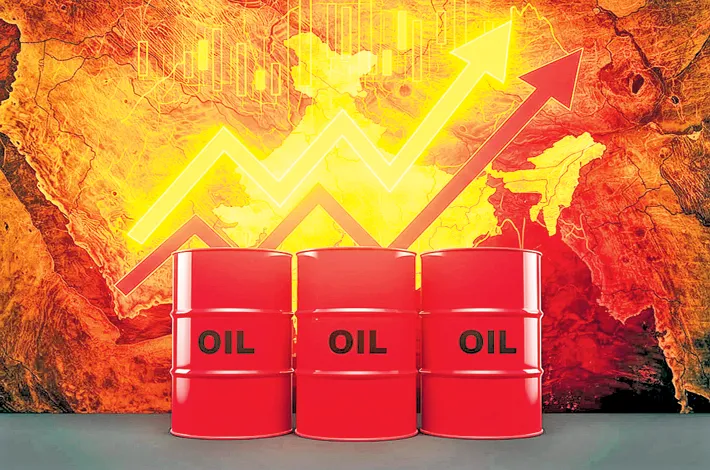
The Strait of Hormuz remains a critical global energy chokepoint, handling nearly 20 per cent of global crude and LNG shipments. Approximately 2.5–2.7 million barrels per day, or about half of India’s crude imports, pass through this route from Iraq, Saudi Arabia, the UAE, and Kuwait
Rising tensions in the Middle East, particularly around the Strait of Hormuz, may trigger oil price volatility and broader macroeconomic effects for India, analysts said, even though the country’s oil supply chain is not currently at structural risk.
Brent crude prices have already climbed to around USD 73 per barrel, near a seven-month high, as geopolitical uncertainty pushes up freight rates and war-risk insurance costs. “The initial impact is likely to be price-driven rather than volume-driven. Even if physical supply remains stable, landed crude costs for Indian refiners may rise, affecting import bills and macroeconomic indicators,” said Sumit Ritolia, Lead Research Analyst at Kpler.
The Strait of Hormuz remains a critical global energy chokepoint, handling nearly 20 per cent of global crude and LNG shipments. Approximately 2.5–2.7 million barrels per day, or about half of India’s crude imports, pass through this route from Iraq, Saudi Arabia, the UAE, and Kuwait. India’s recent shift away from Russian barrels toward Middle Eastern crude has increased near-term exposure to Hormuz-linked risks.
Aditi Nayar, Chief Economist at ICRA, said the unfolding situation in West Asia may influence inflation, the twin deficits, and remittances, depending on the conflict’s duration and intensity. Prashant Vasisht, Senior VP at ICRA, added that attacks on Middle Eastern oil producers could further heighten crude price volatility.
Despite concerns, analysts say a prolonged closure of the Strait of Hormuz remains unlikely. Temporary slowdowns, rerouting, or heightened maritime security checks are considered more plausible. A sustained blockade would also hurt regional producers’ revenues, creating strong economic disincentives.
India’s diversified crude sourcing—including Russia, the US, West Africa, and Latin America—provides supply continuity, though barrels from the Atlantic Basin involve longer voyage durations and higher freight costs. Middle Eastern crude continues to hold a logistical advantage, ensuring near-term supply stability.
Inventory buffers, including India’s Strategic Petroleum Reserves and commercial crude stocks, along with petroleum product inventories at depots and ports, provide additional resilience. “Near-term vulnerability is mainly price volatility and macro impact, not structural supply insecurity,” Ritolia noted.
Domestic fuel prices are unlikely to rise immediately, as adjustments generally follow sustained crude price trends. If Middle Eastern inflows tighten, refiners may pivot back to Russian grades, supported by floating cargoes in the Indian Ocean and Arabian Sea.
Analysts caution that while India’s supply chain remains largely intact, sustained high crude prices may increase import bills and moderate marketing margins for oil companies, highlighting the macroeconomic risks of the ongoing Iran crisis.