21 October, 2026 | 1:25 AM


Govt to consult stakeholders before CAFE-3 rollout
02-03-2026 12:00:00 AM
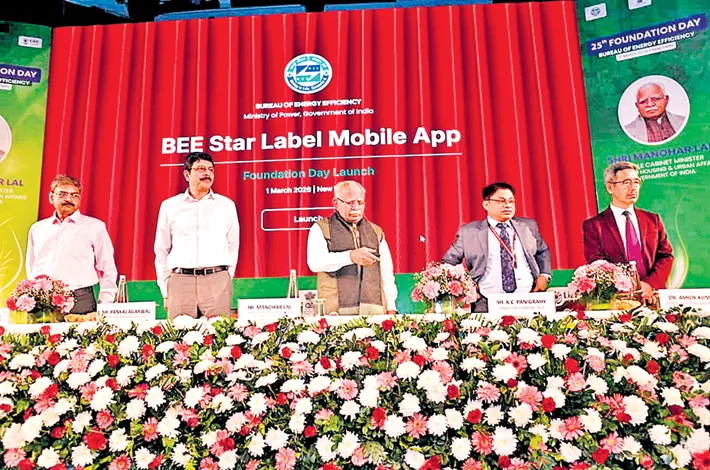
The government has decided to take a consensual approach before implementing the new Corporate Average Fuel Efficiency-III (CAFE-3) norms, which aim to regulate average fuel consumption and carbon emissions across all vehicle models of an automaker, Union Power Minister Manohar Lal said on Sunday.
The CAFE-3 regulations, introduced by the Bureau of Energy Efficiency (BEE), are proposed to be effective from April 1, 2027, to March 31, 2032. Stakeholders have been asked to provide feedback on the draft norms, which were first discussed in September 2025.
Automakers have expressed differing views on the rules. Some industry players, including Maruti Suzuki India, have sought relaxed emission norms for small cars based on weight and affordability, arguing that the primary focus of CAFE is to improve efficiency in larger vehicles. Others, like Tata Motors, have opposed such concessions, warning that they could compromise safety standards and slow India’s transition to cleaner mobility.
The draft norms suggest relaxations for small cars with an unladen mass up to 909 kg, engine capacity not exceeding 1,200 cc, and length below 4,000 mm. Speaking at BEE’s 25th Foundation Day, the power minister noted the need to balance diverse consumer priorities while moving toward a consensus for implementation.
The government has already consulted stakeholders, and the proposal has been forwarded to the Prime Minister’s Office, Union Heavy Industries Minister H D Kumaraswamy confirmed. The CAFE program, which began in 2017, saw its second phase (CAFE-2) launched in 2022, with CAFE-3 scheduled to follow in 2027.
During the celebrations, Manohar Lal highlighted India’s climate achievements, noting a 36% reduction in emissions intensity relative to GDP since 2005 and a 52% share of non-fossil fuel capacity, ahead of the 2030 target. He stressed energy efficiency as a key element for realizing the vision of Viksit Bharat @2047, with focus on emerging sectors like data centers and AI requiring sustainable energy solutions.
The event also marked the launch of the BEE@25 logo, a new monitoring portal, and the BEE Star Label Mobile Application. The app allows consumers to scan QR codes on appliances to verify energy performance, model details, and compliance status.
This approach reflects the government’s efforts to balance industry concerns with India’s long-term climate and energy efficiency goals.